
What is cryotherapy and does it help muscle recovery?
Whole body cryotherapy involves brief exposure (2 to 4 minutes) to extreme cold (minus 110 to minus 140 degrees Celsius) in a specialised chamber. The treatment produces similar effects to ice baths including modest DOMS reduction and inflammation reduction but at substantially higher cost (typically 30 to 80 pounds per session). The evidence supports modest recovery effects but does not justify the substantial cost premium over ice baths or cold showers for most adults. Marketing claims dramatically exceed the evidence. Boring fundamentals beat cryotherapy reliably for recovery.
What cryotherapy is and what it does
Cryotherapy has expanded substantially as a commercial recovery service. The actual effects deserve honest assessment beyond marketing claims.
The protocol is brief but extreme
Whole body cryotherapy involves standing in a chamber filled with nitrogen vapour at minus 110 to minus 140 degrees Celsius for 2 to 4 minutes. Adults wear minimal clothing with face, hands and feet protected. The brief exposure produces dramatic skin cooling but does not reduce core body temperature substantially. The protocol is uncomfortable but bearable for most adults.
Recovery effects are modest
Studies on whole body cryotherapy show modest reductions in DOMS, inflammation markers and perceived fatigue similar to ice baths. The effects are real but modest in magnitude. Adults expecting dramatic recovery improvements based on marketing claims will be disappointed. The effects are comparable to less expensive alternatives.
Effects on training adaptation are likely similar to ice baths
The same concerns about ice baths potentially reducing strength and muscle growth adaptations likely apply to cryotherapy though less specifically studied. The mechanism is similar (cold-induced reduction of inflammatory training responses). Adults seeking muscle growth should consider this trade-off. Routine use likely reduces adaptations modestly.
Cost is substantially higher than alternatives
Cryotherapy sessions typically cost 30 to 80 pounds each. Adults using regularly accumulate substantial costs (200 to 800 pounds monthly for daily use). Ice baths at home cost almost nothing. Cold showers cost nothing. The cost premium for cryotherapy does not match a proportional benefit premium based on available evidence.
Marketing claims exceed evidence substantially
Cryotherapy is often marketed with claims about boosting metabolism, weight loss, anti-ageing, immune function and various other benefits beyond recovery. The evidence for most additional claims is weak to non-existent. The recovery claims have some evidence base but smaller effects than marketing suggests. Adults should approach claims skeptically.
When cryotherapy makes sense
Cryotherapy has occasional appropriate uses but rarely justifies routine spending for most adults. Honest cost-benefit analysis guides better decisions.
Skip routine cryotherapy for general recovery
Adults wanting general training recovery should not use cryotherapy routinely. The cost-benefit does not justify the expense over cheaper alternatives. Ice baths, contrast showers or cold-water swimming all produce similar effects at minimal cost. Save the money for other recovery investments.
Consider occasional use during competition periods
Athletes competing in tournaments or multi-day events may benefit from cryotherapy supporting acute recovery. The competition context shifts cost-benefit toward justified use. The convenience of dedicated chambers may suit travel scenarios where ice baths are impractical.
Compare to ice baths first
Adults considering cryotherapy should first try ice baths regularly. Ice baths produce similar effects at almost no cost. Adults finding ice baths beneficial may use cryotherapy occasionally when convenient but should not assume cryotherapy is substantially superior.
Invest in fundamentals first
Adults considering spending hundreds of pounds monthly on cryotherapy should first verify their fundamentals are dialled in. Adequate sleep, protein, hydration and progressive training produce larger recovery effects than cryotherapy ever can. The investment in fundamentals produces better ROI.
Approach marketing claims skeptically
Cryotherapy marketing often claims metabolic boost, weight loss, anti-ageing and other dramatic effects. The evidence for most claims is weak. Adults should approach marketing claims with substantial skepticism rather than expecting the dramatic benefits suggested by sales material.
Protein powder designed to support recovery
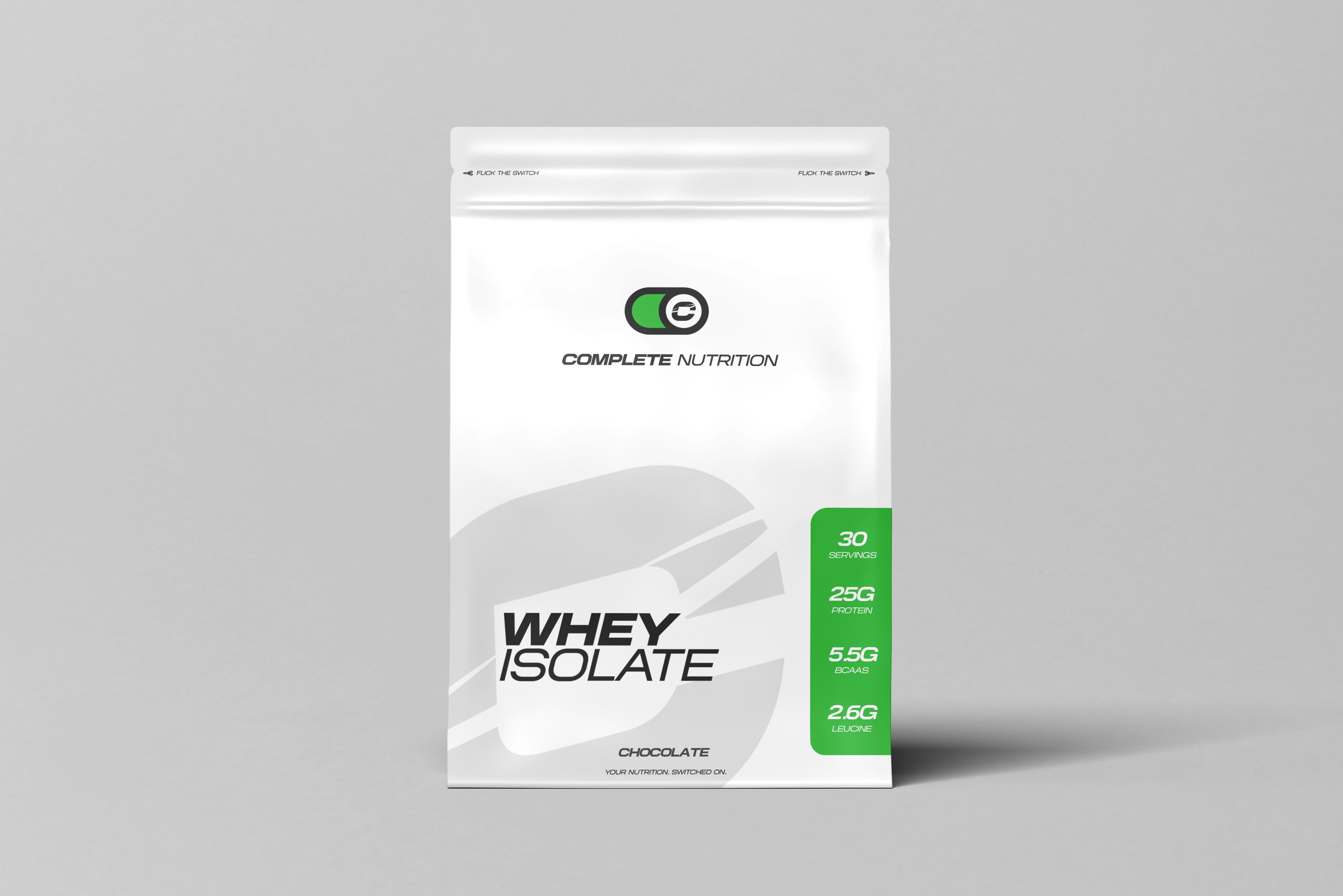
Our protein powders deliver high quality protein to support muscle repair after training. Take within 30 to 60 minutes post-workout to maximise the recovery window. Multiple options including whey, casein and plant-based suit different training contexts. The right protein intake makes the difference between adequate recovery and full recovery.
For adults wanting to invest in recovery practices with strong evidence rather than expensive treatments with modest support, our Protein Powder range delivers high quality protein options that support recovery at far lower cost than commercial cryotherapy services.
SafetyWhen to see your GP about recovery and injuries
Cryotherapy has specific contraindications. See your GP if any of the following apply.
- Cardiovascular conditions including high blood pressure. Cold exposure can trigger cardiac events.
- Raynaud's syndrome or peripheral circulation issues. Cold exposure problematic.
- Pregnancy. Avoid cryotherapy.
- Cold urticaria or cold allergies. Specialist guidance required.
- Recent surgery or open wounds. Avoid until healed.
Whole body cryotherapy produces modest recovery effects similar to ice baths at substantially higher cost. Marketing claims dramatically exceed the evidence. Adults wanting cold-induced recovery effects can achieve them at near-zero cost through ice baths or cold showers. Cryotherapy makes occasional sense during competition periods or for specific contexts where convenience justifies cost. Most adults should skip routine cryotherapy in favour of fundamentals plus occasional ice baths. The cost-benefit rarely justifies routine spending.
For more on recovery practices our Recovery Hub brings every guide together.
Back to the Recovery Hub
This article sits inside our complete recovery knowledge base covering soreness, sleep, nutrition, hydration, active recovery, ice baths, foam rolling and the science of what actually helps muscles repair between sessions. Head back to the hub for the full index.
More on cold therapy and recovery
Cryotherapy connects to related topics. Do Ice Baths Really Work for Recovery? covers ice baths specifically. Does Heat Therapy Help With Injuries? covers the opposite approach. And How to Speed Up Recovery After Intense Training covers practical recovery.
Share:
What Is Active Recovery and How Should You Do It
What Is DOMS and How Long Does It Last