

How to speed up recovery after intense training
The fastest recovery comes from boring fundamentals done consistently rather than expensive products or elaborate protocols. Adequate sleep (7 to 9 hours), adequate protein (1.6 to 2.2 grams per kilogram body weight), proper hydration, post-workout nutrition, light movement on rest days and progressive training all produce larger effects than any specific recovery product. Ice baths, foam rolling, massage, compression and other interventions produce modest effects at best. The fundamentals beat the marketing reliably. Adults wanting faster recovery should optimise basics before adding complexity.
What actually speeds recovery
Several factors substantially affect recovery speed while many popular interventions produce smaller effects than marketing suggests.
Sleep matters most
Most muscle repair happens during sleep. Adults sleeping 7 to 9 hours nightly recover substantially faster than adults sleeping 5 to 6 hours. The effect is larger than any specific recovery product. Adults serious about faster recovery need to be serious about sleep. The fundamentals matter more than the marketing suggests.
Adequate protein supports repair
1.6 to 2.2 grams of protein per kilogram of body weight daily distributed across meals at 25 to 40 grams per meal supports muscle protein synthesis throughout the day. Adults hitting protein targets reliably recover faster than adults with inadequate intake. The total daily intake matters more than specific timing for most adults.
Hydration supports cellular recovery
Adequate fluid intake supports the cellular processes involved in recovery. 2 to 3 litres of fluid daily as baseline with more during heavy training. Pale yellow urine throughout the day indicates adequate hydration. Adults consistently dehydrated produce worse recovery than the same adults adequately hydrated.
Light movement helps more than complete rest
Gentle activity on days following hard training reduces DOMS and supports recovery better than complete inactivity. Walking, easy cycling, swimming, basic mobility work and gentle yoga all help. The increased blood flow supports recovery without adding training stress. Adults staying gently mobile during DOMS recover faster than adults remaining completely still.
Specific recovery products produce modest effects
Ice baths, foam rolling, compression garments, massage and other recovery interventions produce small effects at best in most research. The interventions feel good and may have placebo benefits but produce smaller effects than fundamentals. Adults choosing between investing in fundamentals or recovery products should choose fundamentals reliably.
What actually works
The fastest recovery comes from a small number of factors done consistently. The boring fundamentals produce reliable results.
Sleep 7 to 9 hours consistently
Most muscle repair happens during sleep. Adults sleeping less consistently underperform their recovery potential regardless of other interventions. Build sleep into the priority list before considering anything else. Cool dark bedroom, consistent timing, no late caffeine, no late alcohol. The boring sleep fundamentals.
Hit protein targets daily
1.6 to 2.2 grams per kilogram body weight daily distributed across meals at 25 to 40 grams per meal. Include protein at every meal. Use protein shakes or bars for convenience when whole food is impractical. The daily total matters more than precise timing for most adults.
Drink enough water
2 to 3 litres of fluid daily as baseline with more during heavy training. Pale yellow urine throughout the day indicates adequate hydration. Build consistent fluid intake into daily routines rather than waiting for thirst.
Move gently on rest days
Light walking, easy cycling, swimming, basic mobility work or gentle yoga on days following hard training. The movement reduces DOMS and supports recovery better than complete inactivity. 20 to 30 minutes of gentle activity suffices for most adults.
Build progressive training
Aggressive training jumps produce excessive DOMS and prolonged recovery. Gradual progression over weeks produces sustainable training and faster recovery between sessions. Adults wanting consistent fast recovery should build training gradually rather than swinging between hard sessions and prolonged recovery.
Protein powder designed to support recovery
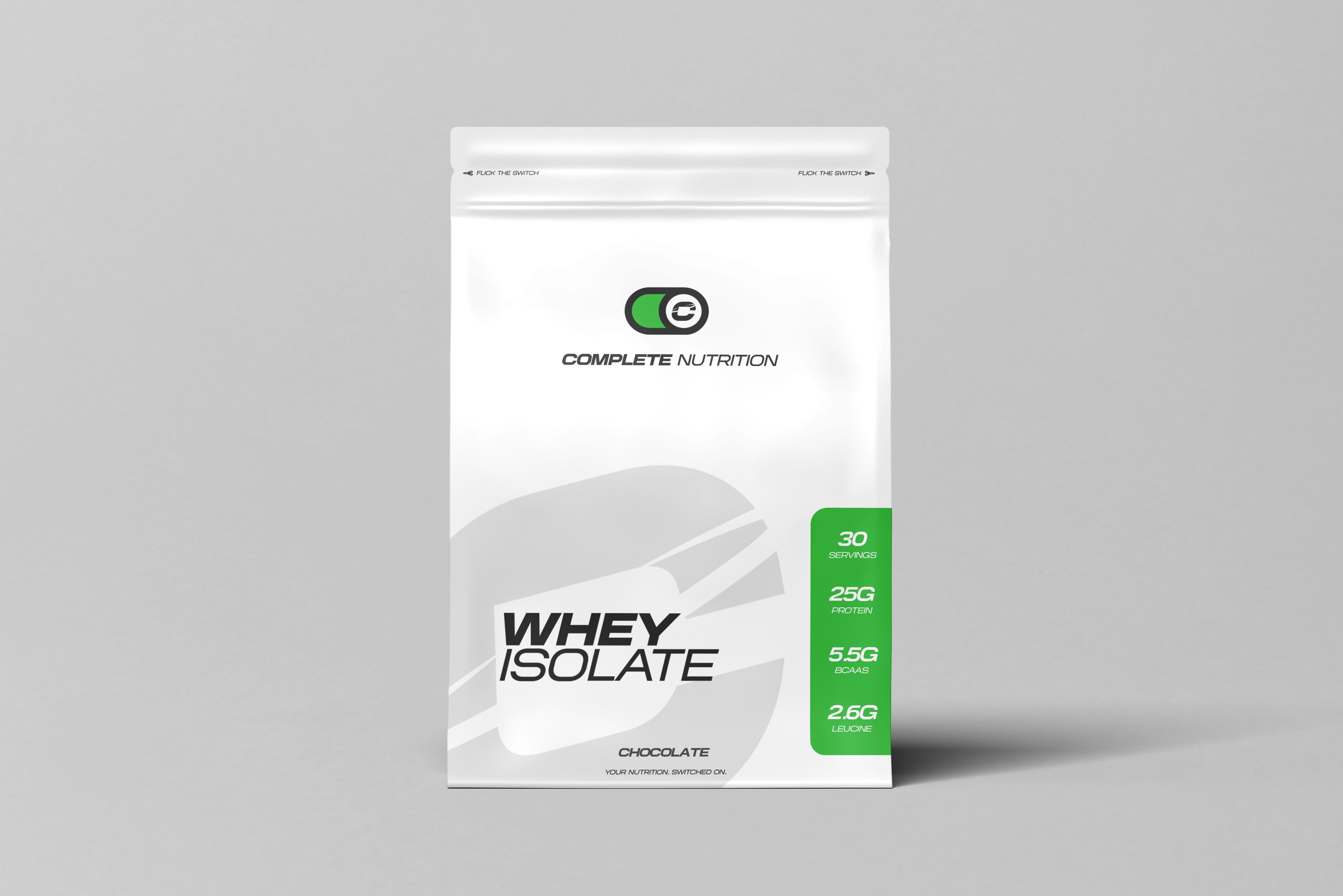
Our protein powders deliver high quality protein to support muscle repair after training. Take within 30 to 60 minutes post-workout to maximise the recovery window. Multiple options including whey, casein and plant-based suit different training contexts. The right protein intake makes the difference between adequate recovery and full recovery.
For adults wanting to hit protein targets reliably for faster recovery between training sessions, our Protein Powder range delivers high quality protein options that fit easily into daily routines for the consistent intake recovery requires.
SafetyWhen to see your GP about recovery and injuries
Recovery optimisation benefits from individual approach. See your GP if any of the following apply.
- Persistent fatigue despite adequate sleep and nutrition. Investigate underlying causes.
- Recovery progressively worsening despite consistent recovery practices. Possible overtraining.
- Recurring injuries from training. May indicate inadequate recovery.
- Sleep disruption affecting recovery. Address sleep specifically.
- Significant unexplained changes in performance or mood. Proper assessment.
Speeding up recovery comes from optimising the fundamentals consistently rather than chasing expensive products. Adequate sleep, protein, hydration, light movement on rest days and progressive training produce larger effects than any specific recovery product. The boring fundamentals beat the marketing reliably. Adults wanting faster recovery should optimise basics before adding complexity. The investment in fundamentals pays back through better recovery across years.
For more on recovery our Recovery Hub brings every guide together.
Back to the Recovery Hub
This article sits inside our complete recovery knowledge base covering soreness, sleep, nutrition, hydration, active recovery, ice baths, foam rolling and the science of what actually helps muscles repair between sessions. Head back to the hub for the full index.
More on recovery
Speed of recovery connects to related topics. How Sleep Affects Recovery and Muscle Growth covers sleep. What Are the Best Foods for Post-Workout Recovery? covers nutrition. And How Hydration Impacts Recovery in Training covers fluids.
Share:
How Sleep Affects Recovery and Muscle Growth
The Difference Between Good Soreness and Injury Pain