

Do ice baths really work for recovery?
Ice baths produce modest reductions in muscle soreness and perceived fatigue but may slightly reduce the training adaptations that follow strength and hypertrophy training. The honest evidence supports occasional use during competition periods or recovery from particularly hard sessions but argues against routine use after every training session. Recreational athletes wanting muscle growth may produce better long-term results without ice baths than with them. The popularity exceeds the evidence substantially. Boring fundamentals beat ice baths reliably for most adults.
What ice baths actually do
Ice baths produce specific physiological effects with mixed implications for different training goals. Honest assessment helps decide whether they fit your situation.
Ice baths reduce inflammation acutely
Cold water immersion produces vasoconstriction reducing blood flow to muscles and limiting acute inflammatory response. The reduced inflammation translates to modest reductions in perceived soreness and fatigue. Adults completing ice baths typically report feeling fresher the following day. The effect is real but modest in magnitude.
DOMS reduction is modest
Multiple studies show 10 to 15 percent reductions in DOMS following ice baths compared to no intervention. The effect is statistically significant but practically modest. Adults expecting dramatic soreness reduction will be disappointed. The improvement is real but small enough that other recovery practices may produce similar effects with less effort and discomfort.
Training adaptations may be reduced
The inflammatory processes ice baths blunt are also part of the training adaptation response. Recent research suggests routine ice baths after strength training may reduce muscle protein synthesis, muscle growth and strength gains compared to no ice baths. The effect is modest but consistent enough to matter for adults whose primary goal is muscle growth or strength gains.
Endurance training tolerates ice baths better
Ice baths appear to interfere less with endurance training adaptations than strength training adaptations. Endurance athletes can use ice baths more freely with less concern about reducing training response. Strength athletes face a more meaningful trade-off between acute recovery and long-term adaptation. The context matters.
Selective use makes more sense than routine use
Most evidence supports occasional ice bath use during competition periods, recovery from particularly hard sessions or when next-day performance matters more than long-term adaptation. Routine use after every training session for adults seeking muscle growth and strength likely undermines those goals. The selective approach captures benefits while limiting downsides.
When ice baths help and when they hurt
Ice baths have appropriate uses but not as routine recovery for every session. The selective approach produces better outcomes than universal use.
Skip ice baths during muscle growth periods
Adults focused on muscle growth and strength gains should generally avoid routine ice baths after training sessions. The training adaptation reduction outweighs the modest acute recovery benefit. Build muscle through training, protein and recovery fundamentals rather than ice baths.
Use during competition periods
Athletes competing in tournaments, multi-day events or important competitions benefit from ice baths supporting acute recovery and next-day performance. The competition context shifts the priority from long-term adaptation to immediate readiness. Worth using selectively for this purpose.
Consider after particularly hard sessions
Adults completing unusually hard or long training sessions may benefit from ice baths supporting recovery from acute training stress. Once-weekly use after the hardest session is unlikely to meaningfully interfere with adaptations while providing acute recovery support. The occasional use is reasonable.
Use appropriate temperature and duration
10 to 15 degrees Celsius water temperature for 10 to 15 minutes produces typical research effects. Colder temperatures or longer durations are not better. Most adults using ice baths use appropriate protocols. Extreme cold or extended duration produces no proportional benefit and increases discomfort substantially.
Compare against fundamentals honestly
Adults considering ice baths should first check that fundamentals are dialled in. Adequate sleep, protein, hydration and progressive training produce larger recovery effects than ice baths can. Adults nailing fundamentals can add ice baths as marginal enhancement. Adults using ice baths while neglecting fundamentals waste effort on marginal interventions.
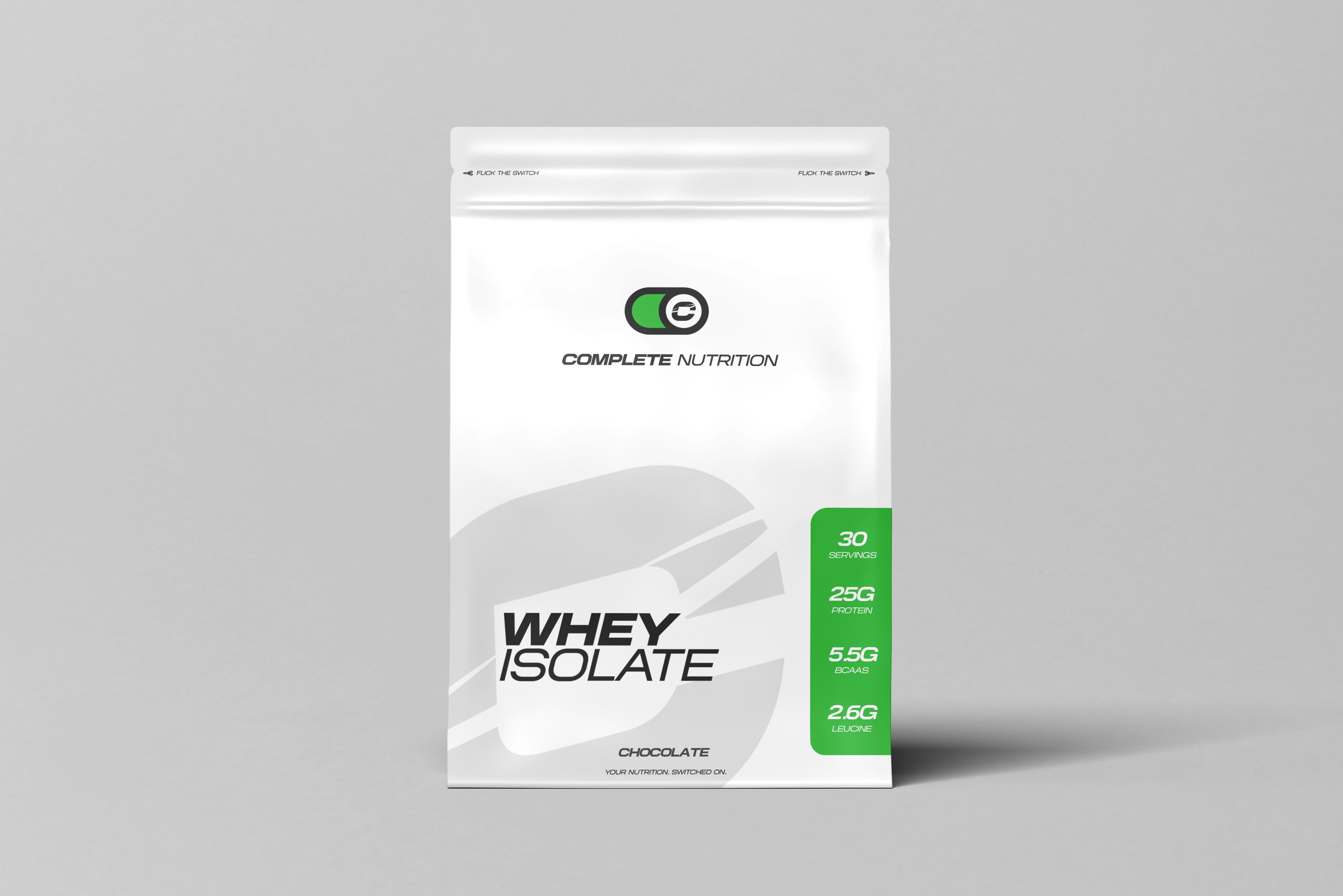
Protein powder designed to support recovery
Our protein powders deliver high quality protein to support muscle repair after training. Take within 30 to 60 minutes post-workout to maximise the recovery window. Multiple options including whey, casein and plant-based suit different training contexts. The right protein intake makes the difference between adequate recovery and full recovery.
For adults wanting to support recovery through reliable protein intake rather than expensive recovery products with modest evidence, our Protein Powder range delivers high quality protein options for the consistent intake recovery actually requires.
SafetyWhen to see your GP about recovery and injuries
Ice baths are broadly safe but warrant caution. See your GP if any of the following apply.
- Cardiovascular conditions. Cold water immersion can trigger cardiac events.
- Raynaud's syndrome or peripheral circulation issues. Cold exposure problematic.
- Pregnancy. Avoid cold water immersion.
- Children. Different temperature regulation makes ice baths inappropriate.
- Significant discomfort or distress with cold. Worth respecting individual response.
Ice baths produce modest DOMS reduction but may interfere with strength and muscle growth training adaptations. The selective approach during competition periods or after particularly hard sessions makes more sense than routine use. Adults seeking muscle growth should generally skip routine ice baths in favour of training adaptations. The popularity exceeds the evidence substantially. Boring fundamentals beat ice baths reliably. Worth using occasionally and selectively rather than routinely.
For more on recovery techniques our Recovery Hub brings every guide together.
Back to the Recovery Hub
This article sits inside our complete recovery knowledge base covering soreness, sleep, nutrition, hydration, active recovery, ice baths, foam rolling and the science of what actually helps muscles repair between sessions. Head back to the hub for the full index.
More on recovery techniques
Ice baths connect to related topics. What Is Cryotherapy and Does It Help Muscle Recovery? covers related cold therapy. Does Heat Therapy Help With Injuries? covers the opposite approach. And How to Speed Up Recovery After Intense Training covers practical recovery.
Share:
How Much Protein in Sirloin
Does Heat Therapy Help With Injuries