

What is active recovery and how should you do it?
Active recovery means low intensity movement on rest days that supports recovery without adding training stress. Walking, easy cycling, swimming, gentle yoga, light mobility work and casual sports all count. The intensity should feel easy at around 30 to 60 percent of maximum effort. Active recovery produces faster DOMS reduction and better preparation for the next training session than complete inactivity for most adults. The mechanism involves increased blood flow supporting nutrient delivery and waste removal without adding meaningful training stress.
What active recovery is and what it does
Active recovery occupies a specific zone between hard training and complete rest. Understanding what it is and what it produces helps use it sensibly.
Low intensity movement is the active ingredient
Active recovery sits at 30 to 60 percent of maximum effort. The intensity feels easy enough to maintain comfortable conversation. Heart rate stays in the easy zone rather than approaching training intensities. Adults pushing too hard during active recovery undermine the recovery purpose. The gentle effort is the point rather than something to overcome.
Increased blood flow supports recovery
Light movement increases blood flow to muscles supporting nutrient delivery, oxygen supply and waste removal. The increased circulation supports the recovery processes following hard training. Complete inactivity allows recovery processes to proceed but at slower pace than gentle movement provides. Most adults benefit modestly from active recovery over complete rest.
DOMS reduction happens faster with movement
DOMS typically resolves faster with light activity than complete rest. The combination of increased blood flow plus gentle muscle activation supports faster soreness resolution. Adults staying gently mobile during DOMS recovery typically feel better within 24 to 48 hours than adults remaining completely still.
Training quality improves the next session
Adults using active recovery on rest days often produce better next sessions than adults completely resting. The maintained blood flow, mobility and basic movement patterns support training readiness. The effect is modest but real. Complete inactivity for days produces measurable detraining effects within weeks.
Active recovery has other lifestyle benefits
Walking, cycling and other gentle activity on rest days provides general activity beyond training. The combined activity supports cardiovascular health, mental wellbeing and weight management beyond what training alone provides. Most adults benefit from staying generally active beyond specific training sessions. Rest days do not mean immobile days.
How to do active recovery well
Active recovery is simple to implement. A few sensible patterns work for most adults across different training contexts.
Walk 30 to 60 minutes
Walking is the most accessible active recovery for most adults. 30 to 60 minutes at conversational pace supports recovery while providing general activity benefits. Walking outdoors adds fresh air and sunlight benefits. The simplicity is the point. Most adults benefit from walking more on rest days regardless of other recovery practices.
Try easy cycling
Easy cycling at conversational pace works well for active recovery. 30 to 60 minutes at low effort supports recovery without adding training stress. Cycling reduces impact compared to running while providing similar circulation benefits. Indoor cycling on a bike or trainer works equally well as outdoor riding.
Use swimming for full body recovery
Swimming provides whole body movement with minimal joint stress. Easy laps or general swimming for 30 to 45 minutes supports recovery for most adults. The buoyancy reduces compression on joints while providing circulation benefits. Particularly useful for adults with joint issues or those wanting variety.
Include gentle yoga or mobility work
Gentle yoga, basic mobility flows or simple stretching routines work as active recovery for some adults. The combination of movement, breathing and gentle stretching supports recovery and may help with stiffness. 20 to 40 minutes works well. Avoid intense yoga styles that approach training intensity rather than recovery intensity.
Keep intensity easy
The temptation to push harder during active recovery undermines the purpose. Active recovery should feel substantially easier than training. Conversational pace, easy effort, comfortable breathing. Adults turning active recovery into training sessions defeat the recovery purpose. The discipline of staying easy is part of the practice.
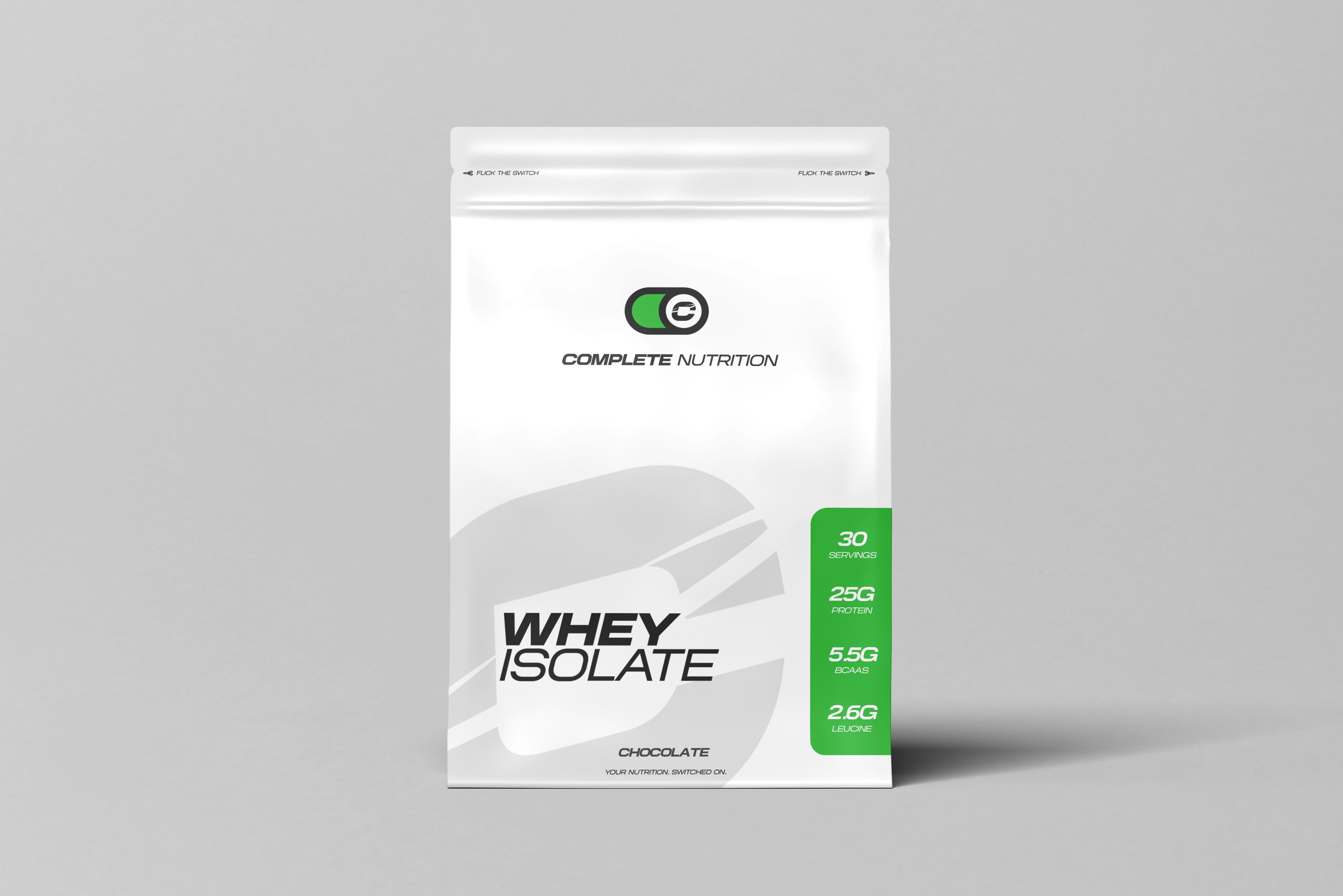
Protein powder designed to support recovery
Our protein powders deliver high quality protein to support muscle repair after training. Take within 30 to 60 minutes post-workout to maximise the recovery window. Multiple options including whey, casein and plant-based suit different training contexts. The right protein intake makes the difference between adequate recovery and full recovery.
For adults wanting to support recovery through both active rest days and adequate protein intake, our Protein Powder range delivers high quality protein options that fit easily into daily routines.
SafetyWhen to see your GP about recovery and injuries
Active recovery is broadly safe. See your GP if any of the following apply.
- Pain with light activity. May indicate injury rather than DOMS.
- Persistent fatigue despite consistent active recovery. Investigate causes.
- Active recovery worsening rather than improving soreness. Possible injury.
- Joint pain with movement. Investigate properly.
- Medical conditions affecting exercise tolerance. Specialist guidance.
Active recovery means low intensity movement on rest days at 30 to 60 percent of maximum effort. Walking, easy cycling, swimming, gentle yoga and mobility work all qualify. The increased blood flow supports faster DOMS reduction and better preparation for next training sessions compared to complete inactivity. The key is keeping intensity easy rather than turning active recovery into another training session. Most adults benefit from including active recovery as part of their weekly training pattern.
For more on recovery practices our Recovery Hub brings every guide together.
Back to the Recovery Hub
This article sits inside our complete recovery knowledge base covering soreness, sleep, nutrition, hydration, active recovery, ice baths, foam rolling and the science of what actually helps muscles repair between sessions. Head back to the hub for the full index.
More on recovery
Active recovery connects to related topics. How Much Rest Do Muscles Need to Grow? covers rest broadly. How to Speed Up Recovery After Intense Training covers practical recovery. And Does Stretching Help With Muscle Soreness? covers stretching specifically.
Share:
What Happens If You Don’t Rest After Training
What Is Cryotherapy and Does It Help Muscle Recovery