

What is foam rolling and does it work?
Foam rolling uses a cylindrical foam tool to apply pressure to muscles through self-massage. Research shows modest reductions in muscle soreness and short-term improvements in flexibility and range of motion. The mechanism is probably neurological (reducing perceived muscle tension) rather than structural (changing the muscle tissue itself). Foam rolling has place as part of warm-up or recovery practice but produces smaller effects than marketing suggests. Adults expecting dramatic benefits will be disappointed. Used sensibly as one tool among many it has value.
What foam rolling actually does
Foam rolling has accumulated substantial popularity and matching marketing claims. The honest evidence supports modest effects rather than the dramatic claims often made.
DOMS reduction is modest
Studies show foam rolling produces small reductions in DOMS and perceived muscle soreness compared to no intervention. The effects are real but modest in magnitude. Adults expecting dramatic soreness reduction will be disappointed. The effects are similar to gentle movement or light stretching.
Short-term mobility improvements occur
Foam rolling produces short-term improvements in range of motion and flexibility. The effects last from minutes to a few hours rather than producing lasting structural changes. Adults using foam rolling before training may experience modest mobility benefits during that session. The effects do not accumulate into permanent flexibility gains over time.
The mechanism is probably neurological
Original theories suggested foam rolling 'releases fascia' or structurally changes muscle tissue. Current evidence suggests effects come primarily from neurological mechanisms including reduced perceived tension, modified pain signalling and altered muscle activation. The mechanism does not require structural tissue changes. The effects are real regardless of exact mechanism.
Performance effects are mixed
Foam rolling immediately before training does not appear to reduce strength or power performance unlike static stretching. Some studies show modest performance maintenance with mobility improvements. The combination of unchanged performance plus modest mobility gain makes foam rolling reasonable pre-training warm-up tool. Used after training it does not appear to harm subsequent performance.
Marketing exceeds evidence substantially
Foam rolling is often marketed with claims about breaking up scar tissue, releasing fascia, lengthening muscles permanently and various other dramatic effects. The evidence does not support these claims. The actual effects are modest and primarily neurological. Adults should use foam rolling with realistic expectations rather than expecting transformative results.
How to use foam rolling well
Foam rolling is reasonable to include in training routines but with realistic expectations. A few sensible principles guide effective use.
Use 1 to 2 minutes per muscle group
1 to 2 minutes of foam rolling per major muscle group produces typical research effects. Longer durations produce no proportional benefit. Adults spending 30 to 60 minutes on extensive foam rolling routines are over-investing in modest interventions. Brief targeted application works as well as extensive sessions.
Roll before training for warm-up benefit
Foam rolling before training as part of warm-up may improve mobility for the subsequent session without compromising performance. 5 to 10 minutes covering major muscle groups suits most training contexts. Combined with dynamic warm-up movements the session prepares well for training.
Roll after training or on rest days for DOMS
Foam rolling after training or on rest days may modestly reduce DOMS in days following. The effects are smaller than marketing suggests but real. Worth including as part of recovery practice without expecting dramatic results.
Apply moderate pressure not maximum pressure
Effective foam rolling uses moderate pressure that produces sensation without causing significant pain. Adults pressing maximum body weight into rollers and grimacing through extreme discomfort are not getting better results than adults using moderate pressure. The intensity does not need to be brutal.
Skip foam rolling for acute injuries
Foam rolling acute injuries (fresh strains, sprains, contusions) is inappropriate and may worsen them. Avoid rolling areas with recent acute injury. Foam rolling chronic stiffness and DOMS is fine. The condition determines whether rolling is appropriate.
Protein powder designed to support recovery
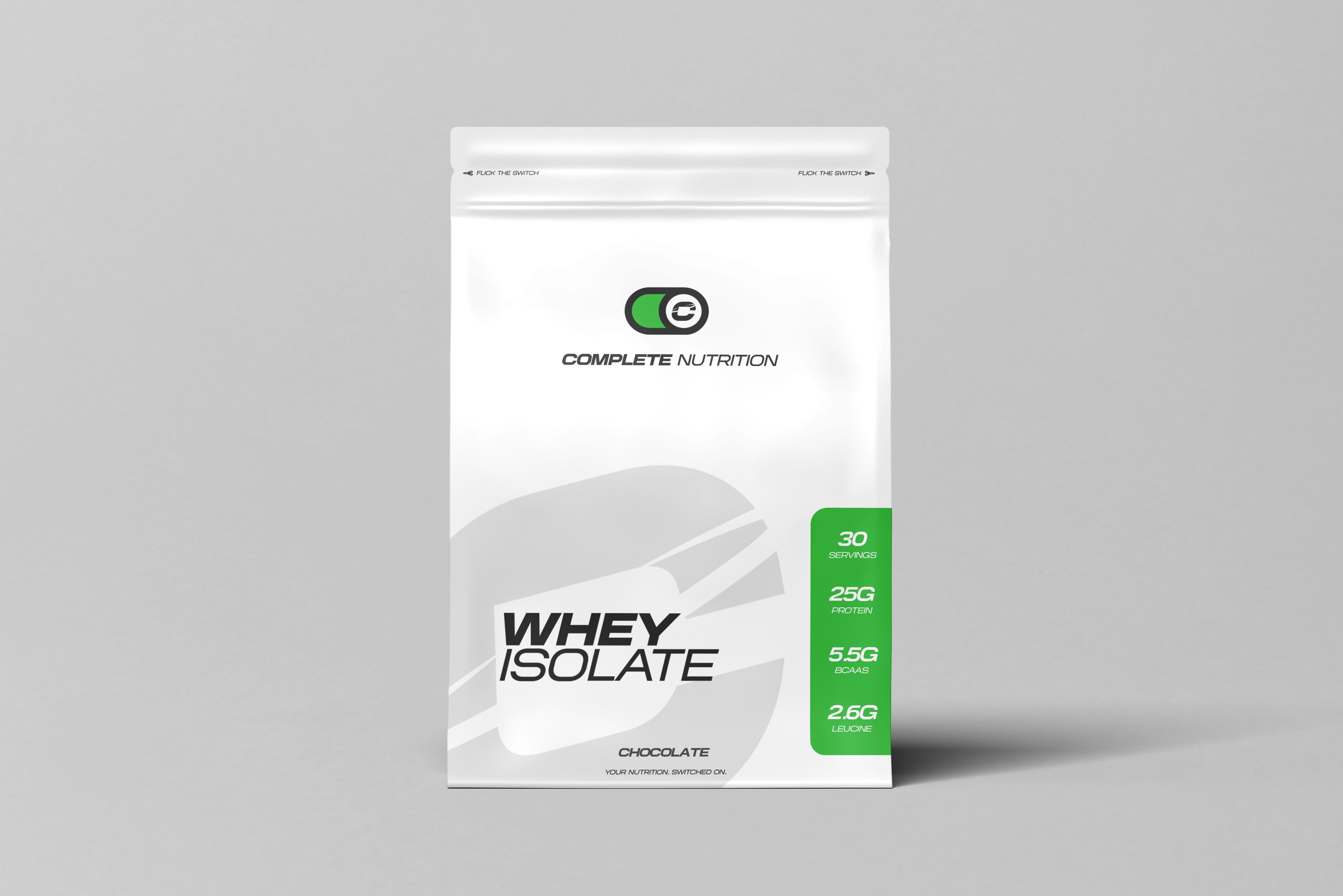
Our protein powders deliver high quality protein to support muscle repair after training. Take within 30 to 60 minutes post-workout to maximise the recovery window. Multiple options including whey, casein and plant-based suit different training contexts. The right protein intake makes the difference between adequate recovery and full recovery.
For adults wanting to invest in recovery practices with strong evidence to complement modest interventions like foam rolling, our Protein Powder range delivers high quality protein options that produce substantially larger recovery effects than foam rolling can.
SafetyWhen to see your GP about recovery and injuries
Foam rolling is broadly safe but warrants thought. See your GP if any of the following apply.
- Acute injuries. Foam rolling inappropriate for fresh injuries.
- Pain during rolling beyond mild discomfort. Stop and assess.
- Bruising from rolling. Reduce pressure substantially.
- Numbness or tingling from rolling. May indicate nerve compression. Stop.
- Severe persistent muscle tightness not responding to rolling. Physiotherapy assessment.
Foam rolling produces modest reductions in DOMS and short-term mobility improvements through probably neurological mechanisms. Marketing claims exceed the evidence substantially. Used sensibly with realistic expectations foam rolling has place as part of warm-up or recovery practice. 1 to 2 minutes per muscle group with moderate pressure produces typical research effects. Not magical but reasonable. The bigger recovery factors of sleep, protein, hydration and progressive training produce far larger effects.
For more on recovery techniques our Recovery Hub brings every guide together.
Back to the Recovery Hub
This article sits inside our complete recovery knowledge base covering soreness, sleep, nutrition, hydration, active recovery, ice baths, foam rolling and the science of what actually helps muscles repair between sessions. Head back to the hub for the full index.
More on recovery techniques
Foam rolling connects to related topics. Does Stretching Help With Muscle Soreness? covers stretching. What Is Active Recovery and How Should You Do It? covers movement-based recovery. And How to Speed Up Recovery After Intense Training covers practical recovery.
Share:
What Is DOMS and How Long Does It Last
How Long Does It Take to Recover From Tennis Elbow