

What are the best foods for post-workout recovery?
The best post-workout foods provide 25 to 40 grams of protein plus 40 to 80 grams of carbohydrates within 30 to 60 minutes of training. Adequate fluids and electrolytes round out the recovery meal. Whole foods like chicken with rice, eggs with toast, Greek yogurt with fruit and fish with potatoes all work well. Protein shakes, recovery bars and other supplements have convenience value but offer no inherent advantage over whole foods. The total intake across the day matters more than the precise post-workout window for most adults.
What recovery nutrition actually requires
Recovery nutrition combines several components rather than depending on any single magical food. Understanding the components helps make sensible food choices.
Protein supports muscle repair
25 to 40 grams of high quality protein within 30 to 60 minutes after training supports muscle protein synthesis. Animal protein sources (meat, fish, eggs, dairy) provide complete amino acid profiles efficiently. Plant protein sources work but typically require slightly higher amounts or combinations to match animal protein effectiveness. The total daily intake matters more than precise post-workout timing for most adults.
Carbohydrates restore glycogen
40 to 80 grams of carbohydrates within an hour of training restores muscle glycogen depleted by exercise. Rice, potatoes, pasta, bread, oats, fruit and other carbohydrate sources all work. The total daily carbohydrate intake matters more than precise post-workout amounts for most adults but the post-workout dose supports faster glycogen restoration.
Fluids and electrolytes need replacement
Sweat losses include sodium, potassium, magnesium and other electrolytes alongside fluid. Normal meals with salt, vegetables and other whole foods provide electrolyte replacement adequately for most training. Adults doing prolonged training in hot conditions may benefit from additional electrolyte sources. The total daily intake covers most needs.
Anti-inflammatory foods modestly help
Omega-3 rich foods (oily fish, flaxseed, walnuts), berries, dark leafy greens and other anti-inflammatory foods support recovery modestly. The effects are smaller than marketing suggests but real. Adults including these foods regularly produce better recovery than adults eating mostly highly processed foods. The dietary pattern matters more than specific anti-inflammatory foods.
Whole foods work as well as supplements
Whole food protein and carbohydrate sources work as well as supplements for most adults. Eggs with toast equals a recovery shake nutritionally. Chicken with rice equals a recovery bar plus protein shake. Supplements have convenience value but offer no inherent advantage. Most adults benefit from prioritising whole foods with supplements as occasional convenience options.
What to eat after training
Building practical post-workout meals is simpler than the supplement industry suggests. A few sensible patterns cover most situations.
Aim for 25 to 40g protein plus carbohydrates within 60 minutes
The post-workout window is real but more flexible than marketing suggests. Adults eating within 60 minutes after training support recovery well. Adults whose schedules push the meal to 90 minutes still recover adequately if daily protein and total intake are adequate. The 30 to 60 minute target is sensible but not magical.
Use whole food meals when possible
Chicken with rice and vegetables. Salmon with potatoes and salad. Eggs with toast and fruit. Greek yogurt with oats and berries. Beans with rice and vegetables for plant-based. The combinations of protein plus carbohydrates plus modest vegetables work consistently. The variety prevents food fatigue.
Use shakes or bars for convenience
Protein shakes with carbohydrate sources (oats, banana, honey) work when meal preparation is impractical. Recovery bars with adequate protein and carbohydrates work for adults training away from home. The convenience options should supplement rather than replace whole food meals across the week.
Replace fluids after training
500 ml to 1 litre of fluid in the hour after training depending on training intensity and sweat losses. Water suffices for most training. Sports drinks help for prolonged or hot-condition training. Normal meals with salt provide electrolyte replacement. Adults wanting precision can weigh themselves before and after training to gauge exact losses.
Focus on daily totals not just post-workout
Total daily protein of 1.6 to 2.2 grams per kilogram body weight matters more than precise post-workout amounts. Total daily carbohydrate intake matched to training demands matters more than specific post-workout doses. The daily intake distributed across meals supports recovery better than focusing exclusively on the post-workout window.
Protein powder designed to support recovery
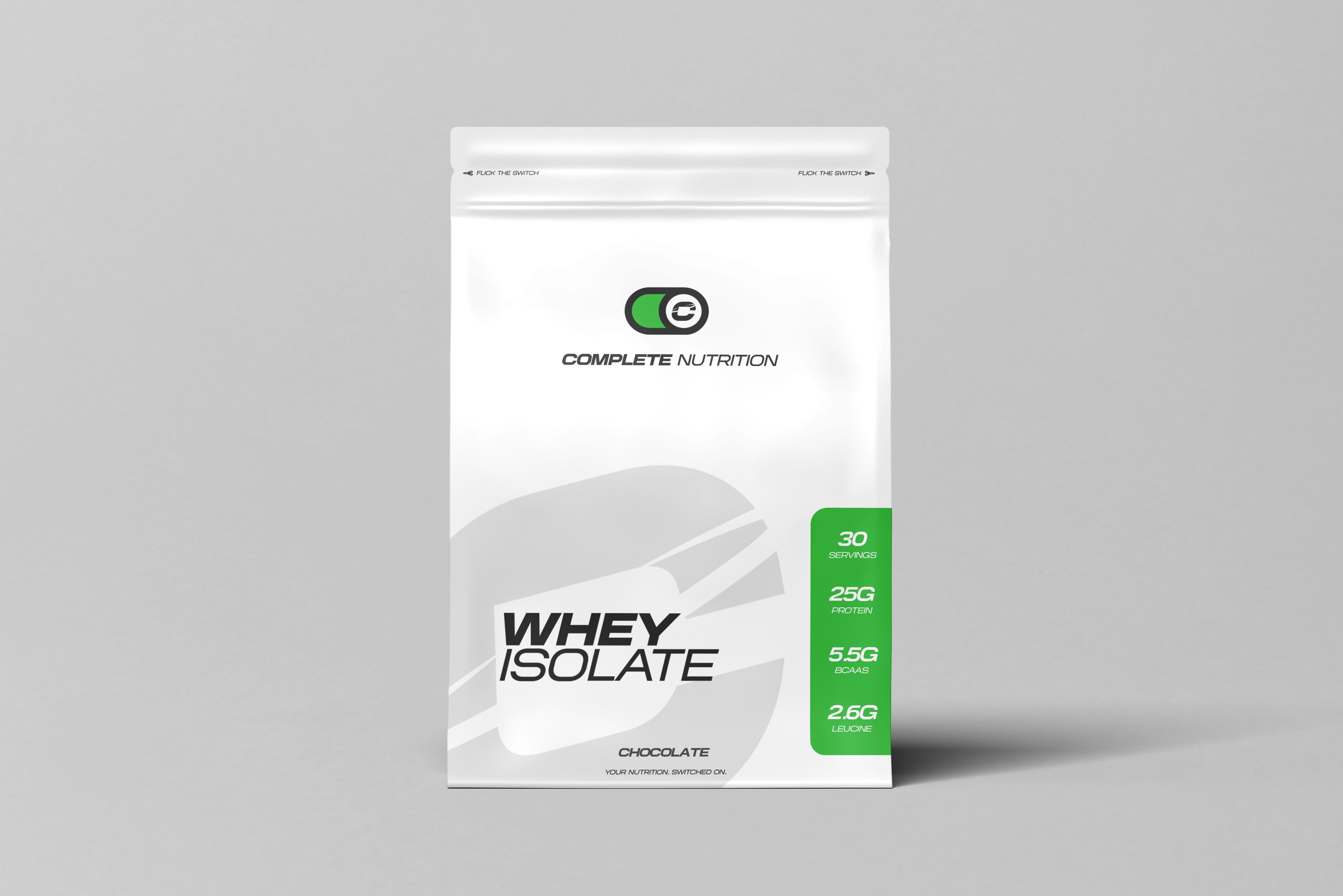
Our protein powders deliver high quality protein to support muscle repair after training. Take within 30 to 60 minutes post-workout to maximise the recovery window. Multiple options including whey, casein and plant-based suit different training contexts. The right protein intake makes the difference between adequate recovery and full recovery.
For adults wanting convenient post-workout protein when whole food meals are impractical, our Protein Powder range delivers high quality protein options that mix easily for the consistent post-training protein intake recovery requires.
SafetyWhen to see your GP about recovery and injuries
Recovery nutrition is generally safe. See your GP if any of the following apply.
- Specific dietary needs or allergies. Dietitian input can help.
- Digestive issues with post-workout meals. Investigate properly.
- Underweight or weight loss with hard training. May need structured nutritional support.
- Disordered eating history or concerns. Specialist input on training nutrition.
- Medical conditions affecting nutrition. Coordinate with specialist.
The best post-workout foods provide 25 to 40 grams of protein plus 40 to 80 grams of carbohydrates within 30 to 60 minutes of training. Whole foods work as well as supplements for most adults. Daily totals matter more than precise post-workout timing for most adults. The fundamentals are simpler than marketing suggests and produce reliable recovery effects without expensive products. Adequate sleep and hydration matter alongside nutrition.
For more on recovery fundamentals our Recovery Hub brings every guide together.
Back to the Recovery Hub
This article sits inside our complete recovery knowledge base covering soreness, sleep, nutrition, hydration, active recovery, ice baths, foam rolling and the science of what actually helps muscles repair between sessions. Head back to the hub for the full index.
More on recovery nutrition
Post-workout nutrition connects to related topics. How Hydration Impacts Recovery in Training covers fluid intake. How to Speed Up Recovery After Intense Training covers practical recovery. And How Sleep Affects Recovery and Muscle Growth covers sleep.
Share:
The Difference Between Good Soreness and Injury Pain
What Happens If You Don’t Rest After Training