

The difference between good soreness and injury pain
Good soreness from training feels like dull diffuse muscle ache that typically affects both sides of the body, develops 24 to 72 hours after training and resolves within a week. Injury pain typically feels sharp or stabbing, appears suddenly during or immediately after the offending movement, often affects one side only and may involve joints or specific anatomical points rather than diffuse muscle areas. Knowing the difference matters because training through injury makes it worse while training through normal soreness produces adaptation. The signals are usually distinguishable when you know what to look for.
How to tell DOMS apart from injury
Several characteristics distinguish normal training soreness from injury pain. Pattern recognition becomes easier with experience.
Timing differs substantially
DOMS develops gradually 12 to 24 hours after training and peaks 24 to 72 hours afterwards. Injury pain typically appears suddenly during or immediately after the offending movement. Adults who felt fine during training and developed pain the next day are usually experiencing DOMS. Adults who felt a sharp pain during a specific movement and now have ongoing pain are usually experiencing injury.
Location patterns matter
DOMS typically affects both sides of the body roughly equally and involves entire muscle bellies rather than specific points. Injury pain often affects one side only and may centre on specific anatomical structures including joints, tendons or specific muscle insertions. One-sided pain or pain at very specific locations suggests injury rather than DOMS.
Pain quality differs
DOMS feels like dull diffuse muscle ache often described as muscle tightness or stiffness. Injury pain often feels sharp, stabbing, burning or shooting. The pain quality alone often distinguishes the two. Adults experiencing sharp localised pain rather than diffuse muscle ache should approach activity cautiously and consider proper assessment.
Movement effects differ
DOMS pain typically reduces with gentle movement and increases with rest. Light walking, easy cycling or basic mobility work helps DOMS resolve faster. Injury pain typically worsens with movement and may improve with rest. Pain that worsens with specific movements but stays similar at rest suggests injury rather than DOMS.
Resolution patterns differ
DOMS resolves within 3 to 7 days typically. Injury pain may persist longer, may improve initially then return with activity or may not improve without specific treatment. Pain persisting beyond 7 to 10 days, pain that comes and goes with activity rather than steadily resolving and pain that requires medication for normal daily function all suggest injury rather than DOMS.
When to push and when to stop
Knowing when to push through pain versus stop and assess matters for both training progress and injury prevention.
Train through normal DOMS
Mild to moderate DOMS affecting muscle bellies bilaterally with normal resolution pattern is fine to train through. Light to moderate training continues. Avoid hammering the same exact muscles hard within 24 to 48 hours of severe DOMS. Most adults benefit from training other muscle groups while sore muscles recover. Continued movement supports recovery.
Stop and assess sharp localised pain
Pain that appeared suddenly during specific movements, pain at specific anatomical points, sharp or stabbing quality and pain that worsens with movement all suggest possible injury. Stop the offending activity and assess properly. Continuing to train through real injury makes it worse and prolongs recovery time substantially.
Use the contralateral comparison
Compare the painful side to the other side. DOMS typically affects both sides similarly. Injury usually affects one side substantially more or only one side. Adults uncertain whether pain is DOMS or injury benefit from honest bilateral comparison. The asymmetry suggests injury.
Try gentle movement to test
DOMS typically eases with gentle movement and resumed activity. Injury typically worsens or stays the same with movement. Adults uncertain about pain can try gentle activity for 5 to 10 minutes and assess. Pain that eases with movement is probably DOMS. Pain that persists or worsens suggests injury.
See your GP or physiotherapist if uncertain
Pain persisting beyond a week despite reduced activity, pain affecting daily function, pain involving joints or specific anatomical structures and pain following obvious traumatic events all warrant proper assessment. NHS physiotherapy is available through GP referral. Private physiotherapy is widely available. Early assessment of potential injury produces better outcomes than continued guessing.
Protein powder designed to support recovery
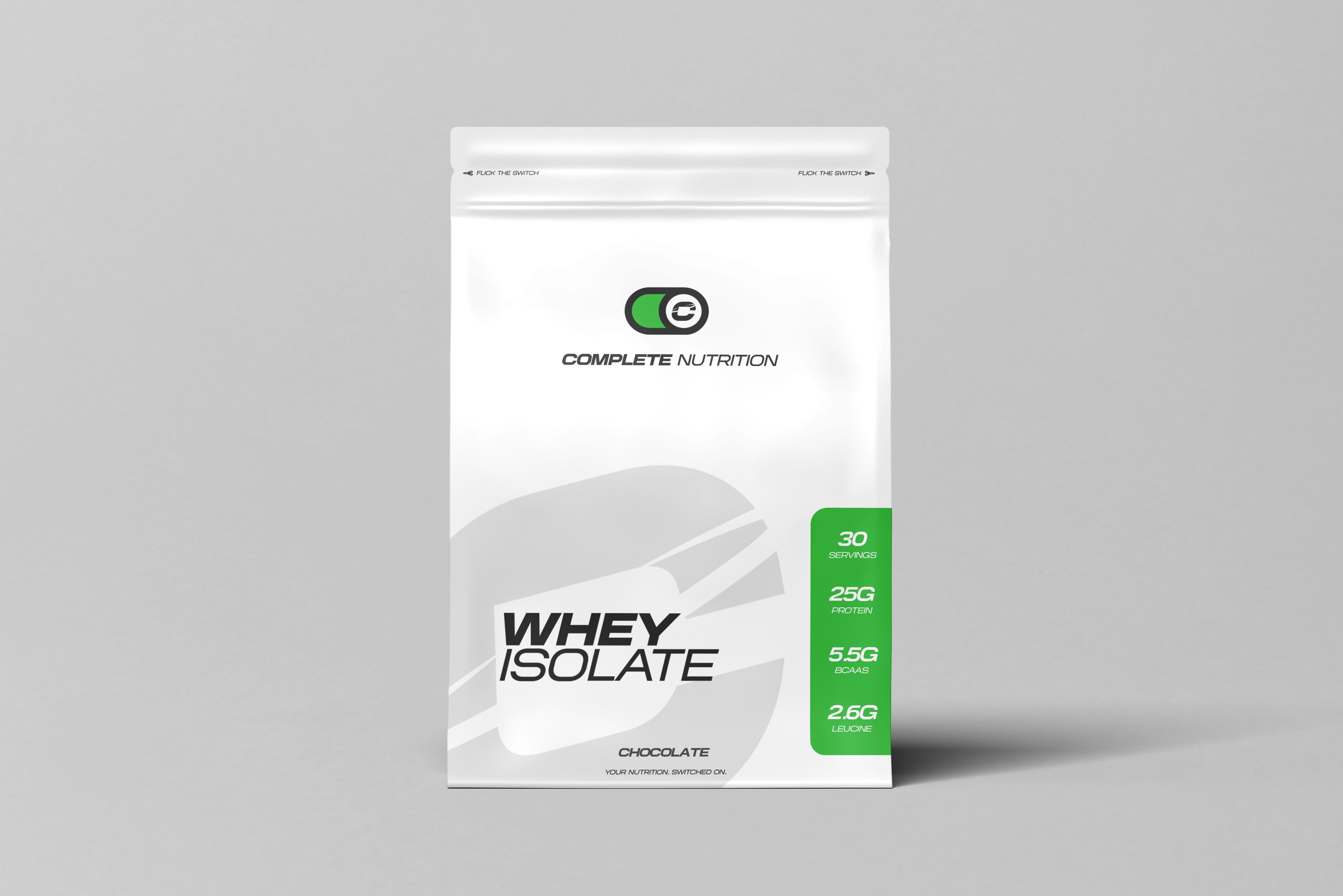
Our protein powders deliver high quality protein to support muscle repair after training. Take within 30 to 60 minutes post-workout to maximise the recovery window. Multiple options including whey, casein and plant-based suit different training contexts. The right protein intake makes the difference between adequate recovery and full recovery.
For adults wanting to support muscle recovery between training sessions through adequate protein intake, our Protein Powder range delivers high quality protein options that fit easily into post-workout routines.
SafetyWhen to see your GP about recovery and injuries
Pain assessment warrants honest evaluation. See your GP if any of the following apply.
- Sharp sudden pain during training. Stop and assess properly.
- One-sided pain persistent more than a few days. Suggests injury rather than DOMS.
- Joint pain or pain with movement. Investigate properly.
- Pain affecting daily function. Requires assessment beyond rest.
- Dark urine after intense training. Urgent assessment for rhabdomyolysis.
Distinguishing normal training soreness from injury pain matters for both training progress and injury prevention. The timing, location, quality and movement patterns of pain usually reveal which type you are experiencing. Adults uncertain should err toward caution including reduced training and proper assessment. Training through actual injury makes it substantially worse and prolongs recovery. Early injury identification produces better outcomes than continued guessing.
For more on recovery and injury prevention our Recovery Hub brings every guide together.
Back to the Recovery Hub
This article sits inside our complete recovery knowledge base covering soreness, sleep, nutrition, hydration, active recovery, ice baths, foam rolling and the science of what actually helps muscles repair between sessions. Head back to the hub for the full index.
More on recovery
Distinguishing pain types connects to related topics. What Is DOMS and How Long Does It Last? covers DOMS specifically. What Happens If You Don't Rest After Training? covers training too hard. And How to Speed Up Recovery After Intense Training covers practical recovery.
Share:
How to Speed Up Recovery After Intense Training
What Are the Best Foods for Post-Workout Recovery