
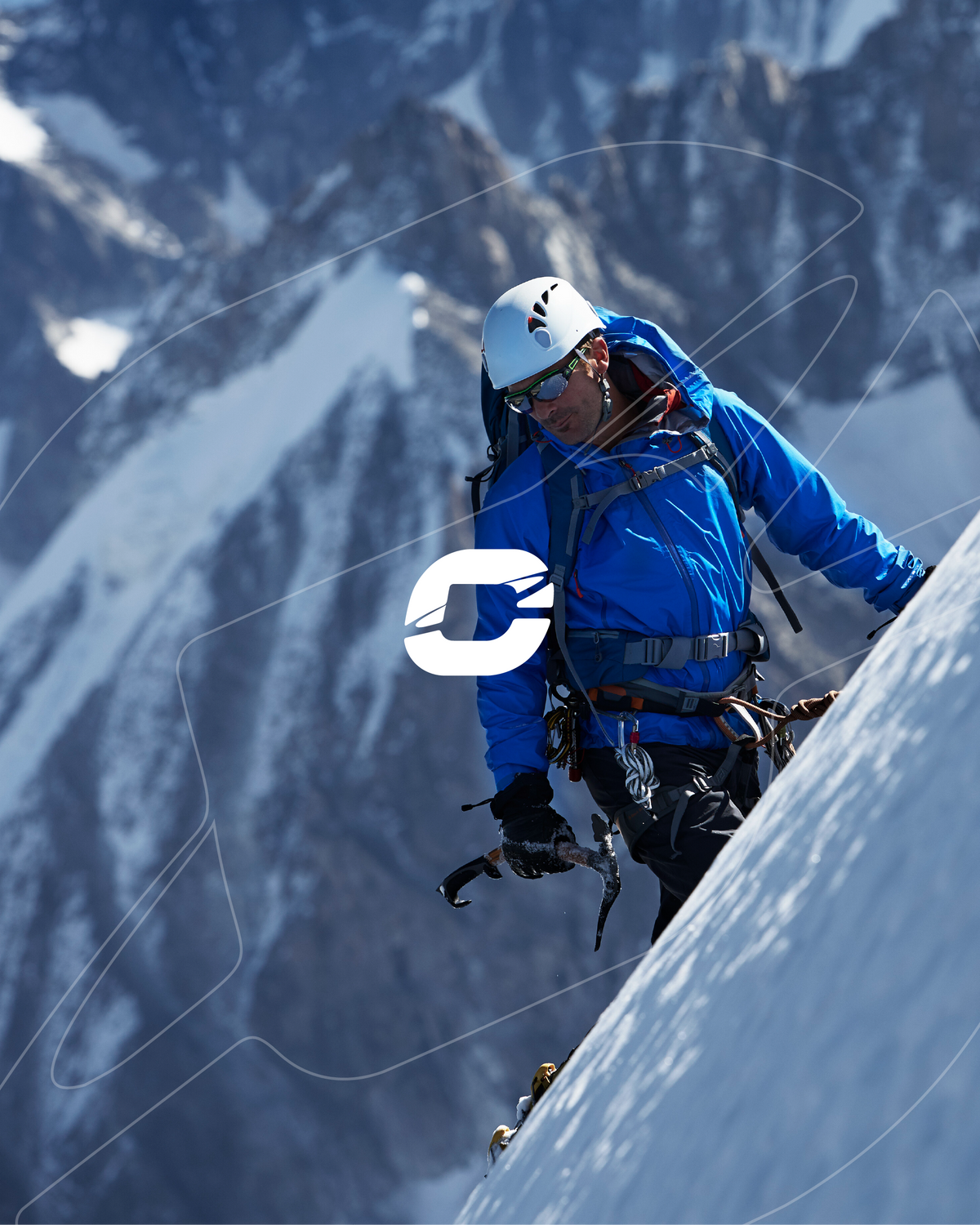

Surviving Alone in the Arctic: Ed Stafford
Ed Stafford is a British adventurer and former Army officer best known for becoming the first person to walk the entire length of the Amazon River from source to sea, an 860 day expedition completed in 2010. He has subsequently produced multiple television series featuring extended solo wilderness survival including 60 days alone in the Arctic. His combination of military background, genuine extended solo experience and television work makes him one of the most credible survival figures working today. His Arctic work sits at the intersection of cold physiology, isolation tolerance and survival skill.
Who Ed Stafford is
Stafford was born in 1975 in Leicestershire. He served as a captain in the British Army before transitioning to expedition leadership. His Amazon walk from 2008 to 2010 established his reputation as a genuine endurance adventurer. He has subsequently focused on solo wilderness work including extended survival television series.
The Amazon walk
Stafford walked the entire length of the Amazon River from its source in Peru to its mouth in Brazil between April 2008 and August 2010. The 860 day expedition covered approximately 6800 km on foot through some of the most challenging terrain in the world. He was the first person verified to have completed the journey on foot. The expedition established his reputation for extended solo endurance.
The Naked and Marooned series
In 2013 Stafford completed 60 days alone on an uninhabited Pacific island with no clothing, equipment or modern tools. The series Naked and Marooned documented his survival. The format was extreme even by survival television standards and produced detailed footage of what 60 days of genuine survival looks like in a tropical environment.
The Arctic and other series
Stafford has subsequently completed extended solo survival projects in the Arctic, the Mongolian steppe and various other extreme environments. His Arctic work has involved temperatures below minus 30 degrees C across multi week periods. Each project has documented the physiological and psychological effects of extended solo survival in specific environments.
The credibility difference
Stafford differs from many survival figures in the duration of his projects and the absence of production crew during most of his on camera survival time. He films himself with cameras rather than being filmed by a crew. The format produces more genuinely isolated survival content than typical survival shows. The format choice gives his work additional credibility.
What extended cold exposure requires
Arctic survival differs from tropical or temperate survival in specific ways. Cold is the primary threat. Food becomes more critical because metabolic heat production is essential for survival. Water is paradoxically still a challenge despite the abundance of frozen water.
Thermoregulation
Maintaining core temperature in Arctic conditions requires significant metabolic heat production. Resting metabolic rate increases 10 to 30 percent above temperate baseline. Active work produces metabolic heat that helps maintain temperature but requires food energy. The thermal balance between heat loss and heat production is the primary survival problem.
Caloric demand
Arctic survival demands 4000 to 6000 kcal per day depending on activity level and conditions. This is substantially higher than temperate climate demand. Polar explorers regularly consume 5000 to 7000 kcal during expeditions. Sustained negative energy balance produces progressive weight loss, weakness and reduced ability to maintain body temperature.
Water management
Surrounded by frozen water but unable to drink it directly. Eating snow consumes metabolic heat to melt it. Melting snow requires fuel for cooking. Hydration management in cold environments is more complex than in warm environments where water is liquid and ready to drink. Dehydration is common in Arctic conditions because hydration takes deliberate effort.
Frostbite and tissue damage
Skin and peripheral tissues are at constant frostbite risk in extreme cold. Hands, feet, face and nose are particularly vulnerable. Frostbite begins as superficial damage and can progress to deep tissue freezing that requires surgical management. Prevention through clothing, regular movement checks and warm food consumption is essential.
What extended solo isolation does
Extended solo wilderness survival adds psychological challenges that are separate from the physical demands. Isolation, decision making under stress and the absence of normal social structure all affect cognitive and emotional function.
Initial adjustment
The first days of extended solo survival typically involve significant anxiety and decision uncertainty. New environments, equipment unfamiliarity and absence of normal feedback all contribute. Most experienced solo adventurers report that the initial 3 to 7 days are psychologically difficult. The adjustment period passes as routines develop.
Sustained isolation effects
Extended isolation can produce changes in mood, sleep patterns and cognitive function. Hallucinations are uncommon but reported. Time perception changes. Speech to oneself becomes common. These effects are not necessarily pathological but reflect normal adaptation to abnormal circumstances. Recovery on return to normal social environment is generally complete.
Decision making
Solo survival decisions cannot be checked against another perspective. Errors compound. The quality of preparation before the situation, the discipline to follow established protocols and the willingness to abandon plans when conditions change all matter. Most extended solo survival failures involve compounding decision errors rather than acute physical breakdown.
Motivation and meaning
Extended solo work tests motivation in specific ways. The reasons for being in the situation become important. Stafford has spoken about the role of having clear purpose in sustaining his survival projects. Motivation that is purely external typically fails under sustained isolation. Internal purpose tends to be more durable across long durations.
Lessons from extended Arctic survival
The Stafford projects illustrate what is possible in extended solo wilderness work and what it requires. The lessons apply to expedition planning, mental preparation and the assessment of survival television generally.
Preparation matters more than equipment
Stafford has emphasised that preparation, including skill development and mental preparation, matters more than specific equipment. Equipment fails, gets lost or proves inadequate to actual conditions. Skills and adaptability remain available. The principle applies to any extended outdoor work. Skills before stuff is the consistent lesson from extended solo expeditions.
Cold demands fuel
Arctic conditions require significantly more food than temperate conditions. Calculations for expedition food planning should include cold induced demand increases. Inadequate fuelling in cold conditions produces faster physical breakdown than the same caloric intake in temperate climate. This applies to any winter outdoor work, not just Arctic expedition.
Isolation tolerance is partly trainable
Spending time alone in moderate environments before attempting solo extended expeditions builds isolation tolerance. Many people who attempt solo work without prior experience find the psychological dimension harder than anticipated. Progressive exposure to solitude produces measurable tolerance over time.
Survival is not glamorous
Extended genuine survival is significantly less dramatic than television suggests. Most days involve routine activities including water collection, fire maintenance, food preparation and shelter management. Crisis moments are rare. Sustained competence matters more than dramatic improvisation. This is true of both expedition work and personal preparation for outdoor activities.
The Stafford projects sit in the limits archive among extended solo survival cases. For other survival and isolation cases, see our Breaking Human Limits hub.
Back to the Breaking Human Limits Hub
This case study sits inside our knowledge base covering athletes, adventurers and individuals who have pushed the human body to its outer limits. Head back to the hub for the full index of stories and the physiology behind them.
More from the limits library
For another polar survival case, our Surviving the Poles guide covers Ranulph Fiennes. Starvation and Survival covers Bear Grylls. And Extreme Cold Exposure covers Wim Hof and cold adaptation.
Share:
Running on Minimal Body Fat and Health Risks
Swimming the English Channel Multiple Times