

Extreme Cold Exposure: Wim Hof
The Dutch extreme athlete Wim Hof holds multiple world records for cold exposure. He has climbed Mount Kilimanjaro in shorts, run a full marathon above the Arctic Circle in temperatures of minus 20 degrees C and stood in a glass cylinder packed with ice for over an hour at a time. His method combines specific breathing exercises, gradual cold immersion and mental focus. Independent research has confirmed some of his physiological claims and challenged others. The case sits at the boundary between trainable adaptation and exceptional individual tolerance.
Who Wim Hof is and what he has done
Wim Hof was born in 1959 in the Netherlands. He began experimenting with cold immersion in his late teens after the death of his first wife. Over four decades he has developed and promoted what is now known as the Wim Hof Method, combining breathing, cold exposure and concentration techniques.
The records
Hof has set or held over 20 world records related to cold exposure. The most cited include running a half marathon above the Arctic Circle wearing only shorts, swimming 57.5 metres under ice on a single breath. He also stood in direct ice contact for over 1 hour 52 minutes. Most records have been verified by Guinness World Records and witnessed by independent observers.
The method
The Wim Hof Method has three components. The breathing component uses 30 to 40 cycles of deep inhalation followed by passive exhalation, ending with breath retention. The cold exposure component progresses from cold showers to ice baths to outdoor cold immersion. The third component is concentration and mental focus, practised during both breathing and cold exposure.
The Kilimanjaro climb
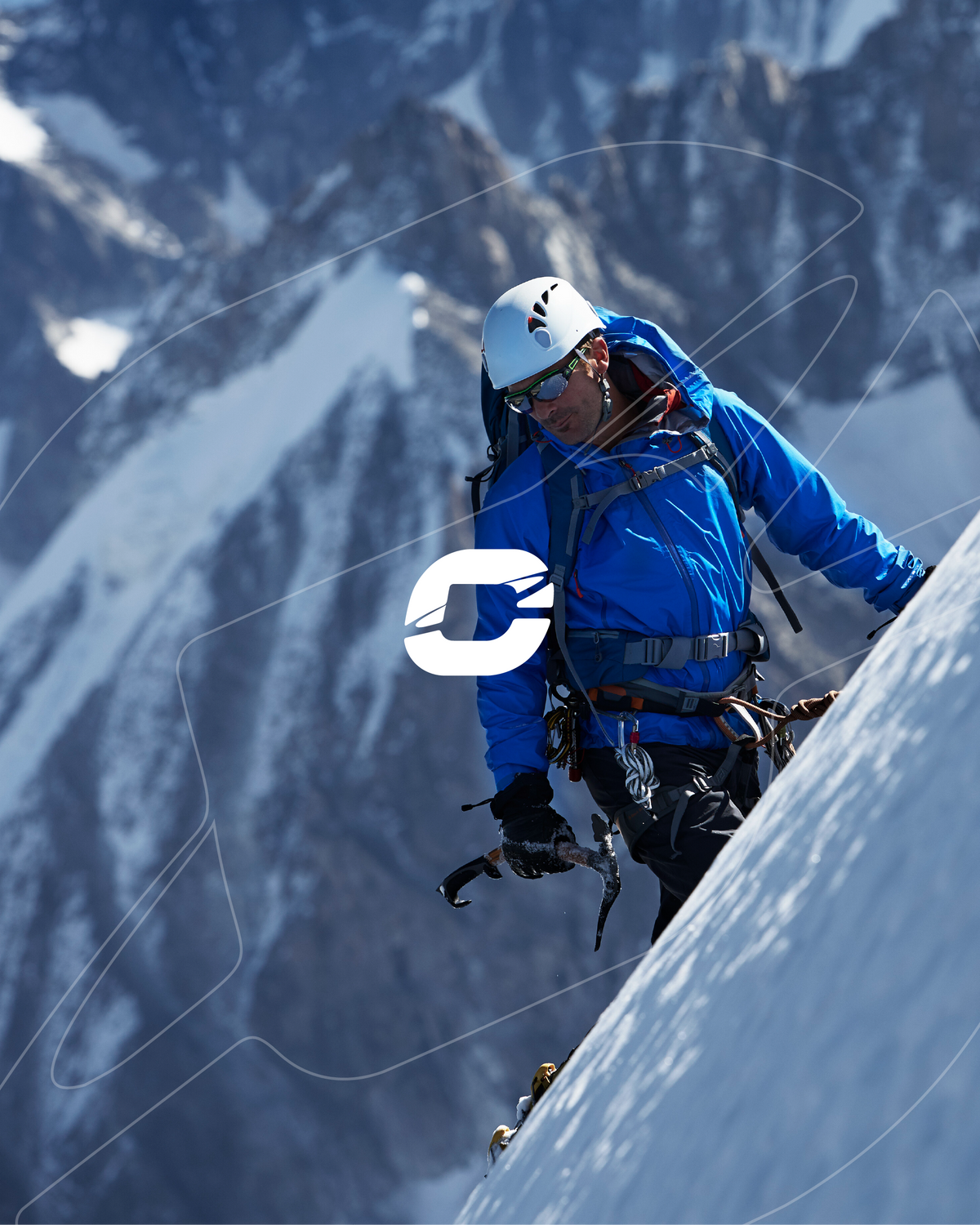
In January 2007 Hof climbed Mount Kilimanjaro to the Uhuru summit at 5895 metres in shorts and walking boots. The temperature at summit altitude was approximately minus 20 degrees C. The climb took 48 hours. Two participants from his accompanying group also reached the summit in similar attire. The achievement was filmed and documented.
The research subject
Hof has been studied by independent research groups including Radboud University Medical Centre in the Netherlands. Studies have measured his autonomic nervous system response to cold, his ability to voluntarily activate the sympathetic nervous system and his response to injected endotoxin. The published research supports specific physiological capabilities while remaining cautious about broader health claims.
What cold exposure does to the body
Cold exposure produces immediate cardiovascular and metabolic responses that have been studied for decades. Trained cold exposure produces adaptations that can shift baseline physiology over weeks to months of regular practice.
Acute cold response
Initial cold exposure triggers vasoconstriction in peripheral tissues, increased heart rate, elevated blood pressure and increased catecholamine release. These are protective responses to prevent core temperature loss. The intensity of the response varies between individuals and decreases with regular cold exposure.
Brown adipose tissue
Brown fat is a metabolically active tissue that generates heat through uncoupled metabolism. Adults retain small amounts of brown fat around the neck, shoulders and along the spine. Repeated cold exposure increases brown fat activity and may modestly increase brown fat mass. This produces increased non shivering thermogenesis.
Voluntary autonomic activation
Research at Radboud Medical Centre demonstrated that Hof can voluntarily activate his sympathetic nervous system through the breathing technique. Catecholamine release, heart rate and breathing rate all increase. This appears to be a trained skill that can be taught to others. The capacity itself is unusual but appears to be teachable rather than purely innate.
The endotoxin study
A 2014 study at Radboud demonstrated that Hof and trained participants could partly suppress the inflammatory response to injected endotoxin. The participants who had practised the Wim Hof Method showed reduced cytokine response compared to controls. The mechanism is thought to involve cortisol and adrenaline release through the breathing component. The finding supported claims of voluntary immune modulation.
What cold exposure cannot do
The Wim Hof Method has produced enthusiastic claims about health benefits beyond what the published research supports. Distinguishing the verified physiology from the broader claims matters for anyone considering serious cold practice.
Hypothermia is still possible
Cold exposure adaptation does not eliminate the risk of hypothermia. Hof himself acknowledges this and has near drowned during ice swims when the cold response failed unexpectedly. Practitioners who push cold exposure beyond their training level are at real risk. Multiple deaths have been linked to unsupervised cold water swimming inspired by the method.
Cardiac risk
Cold water immersion produces significant cardiovascular load. For individuals with undiagnosed cardiac conditions, sudden cold exposure can trigger arrhythmia. The cold shock response increases blood pressure rapidly and can produce dangerous stress on a compromised heart. Cold practice in clinical populations should be supervised.
Breathing technique cautions
The breathing technique produces significant hyperventilation and reduces blood carbon dioxide. Combined with breath retention this can cause cerebral vasoconstriction, dizziness and in some cases fainting. Practising the breathing in water or before driving is dangerous. Several deaths have occurred from fainting during in water breath retention.
Treatment of disease
The Wim Hof Method is sometimes promoted as treatment for autoimmune disease, depression, chronic pain and other conditions. Research on these applications is limited and most published claims are based on small studies, case reports or testimonials. Medical conditions should not be self treated through cold exposure protocols without consultation with appropriate clinicians.
Lessons from cold exposure research
The Hof case sits between exceptional individual capability and trainable adaptation. The lessons are practical for anyone interested in cold exposure but require honest interpretation of the available evidence.
Cold tolerance is trainable
Regular cold exposure produces measurable physiological adaptations including increased brown fat activity, altered cardiovascular response and improved subjective tolerance. The adaptations occur in most people who practise consistently for several weeks. Cold tolerance is not a fixed trait. It responds to training.
Individual variation is significant
Hof appears to have unusual baseline cold tolerance even before extensive training. Other practitioners reach impressive levels but typically do not match his most extreme feats. Genetic factors, body composition and prior cold exposure history all influence individual response. Personal experimentation should be progressive and cautious.
The breathing has effects
The breathing component of the method produces measurable physiological changes including catecholamine release and autonomic activation. Whether these effects produce broad health benefits remains an open research question. The effects themselves are real even where the downstream health claims are uncertain.
Safety matters
Cold exposure carries real risk. The deaths linked to in water breathing practice and unsupervised cold immersion are preventable. Start with cold showers, progress to brief ice baths under safe conditions and never practise the breathing technique in water. Most of the benefits available from cold exposure can be obtained with relatively conservative protocols.
Cold exposure adaptation sits among the limits archive cases that examine trainable extremes of physiology. For altitude, fasting and other adaptation stories, see our Breaking Human Limits hub.
Back to the Breaking Human Limits Hub
This case study sits inside our knowledge base covering athletes, adventurers and individuals who have pushed the human body to its outer limits. Head back to the hub for the full index of stories and the physiology behind them.
More from the limits library
For another extreme environment adaptation, our Climbing Everest Without Oxygen guide covers Reinhold Messner. Surviving the Poles covers Ranulph Fiennes and polar exposure. And Surviving Alone in the Arctic covers Ed Stafford and cold survival.
Share:
Climbing Without Ropes: Alex Honnold Limits
Holding a Breath for 20 Minutes Recovery Limits