

Is collagen protein
Yes but it is not the same kind of protein as whey, casein or plant proteins. Collagen is the body's structural protein with a distinctive amino acid profile dominated by glycine, proline and hydroxyproline. As a supplement it works differently from generic protein powder. Whey is best for muscle protein synthesis. Collagen peptides have specific bioactive effects on skin, joints and connective tissue that whey does not deliver. The two are complementary rather than interchangeable.
How collagen protein compares to whey and other protein sources
All protein supplements deliver amino acids. The specific profile and mechanism of action varies between them. Here is how collagen sits alongside whey, casein, plant proteins and dietary protein.
1. Amino acid profile vs whey and complete proteins
Whey protein has a balanced complete amino acid profile with around 10 to 12 percent leucine (the trigger for muscle protein synthesis). Casein is similar but slower-absorbing. Soy and pea are complete plant proteins with slightly lower leucine. Collagen is dominated by glycine (33 percent), proline plus hydroxyproline (22 percent) with low leucine (around 2.5 percent) and no tryptophan. The profiles serve different goals. Match the protein to the goal.
2. Digestion and absorption differences
Whey absorbs rapidly raising blood amino acids within 30 minutes. Casein clots in stomach acid forming a slow-release source over several hours. Hydrolysed collagen peptides absorb rapidly because they are already pre-digested into short chains. Some specific dipeptides (Hyp-Pro, Pro-Hyp) survive intact into circulation which is unusual for dietary proteins. This is part of the collagen mechanism.
3. Effect on muscle protein synthesis
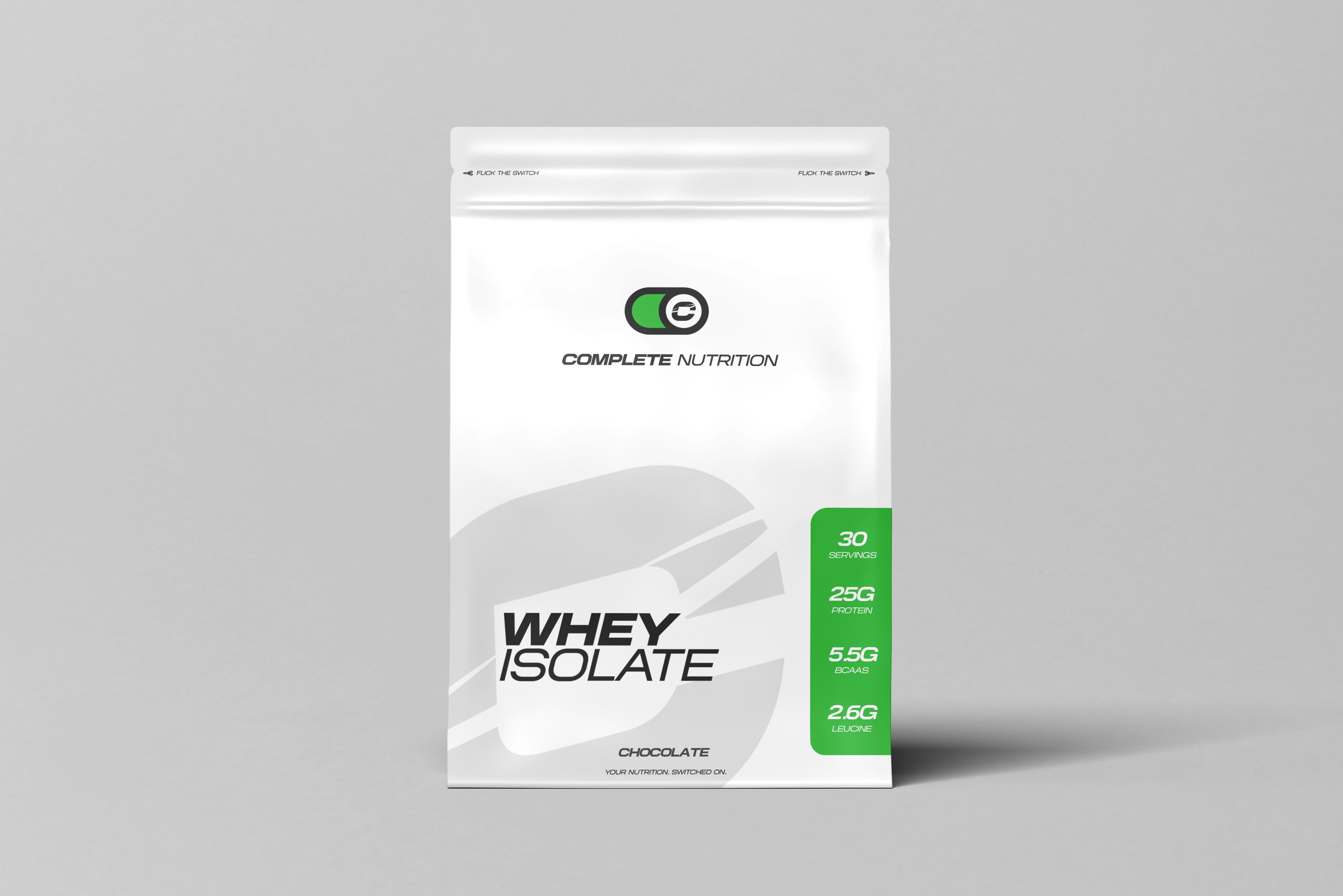
Whey produces a strong post-meal spike in muscle protein synthesis driven primarily by its high leucine content. Casein produces a sustained smaller effect. Plant proteins at adequate doses match these effects. Collagen produces a much weaker muscle protein synthesis response because of its low leucine. For muscle goals use whey or other complete proteins. Collagen is not the right tool.
4. Effect on connective tissue and skin
Whey has no specific effect on skin, joint or tendon collagen synthesis. The general protein support helps but does not target these tissues. Hydrolysed collagen has documented effects on skin hydration, elasticity and joint pain in randomised trials. The bioactive peptides signal fibroblasts and chondrocytes. This is where collagen is the better tool over generic protein.
5. Cost and practical considerations
Whey costs around 5 to 10 pence per gram of protein from reputable UK brands. Hydrolysed collagen is similar or slightly higher per gram. The doses differ. A muscle-building whey serving might be 20 to 30 g. A skin or joint collagen dose is 5 to 10 g. The total daily cost can be comparable. Many people use both at appropriate doses for different goals rather than choosing one.
How to use collagen and protein powder together in five steps
If you train and want skin or joint support both proteins have a place. Use this framework to combine them sensibly.
Step 1. Start with total daily protein from food
Aim 1.2 to 2 g per kg bodyweight daily from meat, fish, eggs, dairy, beans and lentils. This provides the complete amino acid profile and forms the foundation. Supplements top up gaps rather than substituting for food protein.
Step 2. Use whey or complete protein for muscle goals
20 to 40 g whey or other complete protein within 1 to 2 hours of resistance training amplifies muscle protein synthesis. Continue at this dose if you do not consistently hit your daily protein target from food. This is the muscle-building leg of your protein intake.
Step 3. Add collagen peptides for connective tissue goals
2.5 to 5 g daily for skin outcomes. 5 to 10 g daily for joint pain in OA. 10 to 15 g pre-training for tendon and ligament support in athletes. Take with vitamin C-containing food. This is the connective tissue leg.
Step 4. Time them separately if you have GI sensitivity
Some people experience bloating when stacking multiple protein supplements at one meal. Take whey post-workout and collagen at a different time of day (morning coffee, evening drink). This spreads the protein load and improves tolerability.
Step 5. Reassess after 12 weeks
Track outcomes matching your goals. Strength and body composition for whey. Skin hydration or joint comfort for collagen. Both supplements have 8 to 12 week trial timelines for measurable effects. Continue if meaningful improvement. Adjust dose or stop the supplement that is not delivering.
Get collagen peptides alongside your existing protein routine
Our Collagen Gummies deliver hydrolysed marine collagen peptides with vitamin C for the cofactor effect. Designed to complement rather than replace your daily protein intake. Convenient gummy format that fits alongside whey or other protein powder.
For anyone running both whey and collagen for different reasons, our Collagen Gummies deliver the connective tissue support that generic protein does not. Standardised hydrolysed marine peptides plus vitamin C cofactor.
SafetyWhen collagen is a problem
Combining collagen and whey or other protein powder is generally safe for most adults. Stop and see your GP if any of the following apply.
- Severe kidney disease. Stacking multiple protein supplements may push total intake above safe limits for impaired kidney function.
- Persistent bloating, gas or loose stools when combining supplements. Reduce one or both doses.
- Source allergies. Milk allergy means avoiding whey or casein. Fish allergy means avoiding marine collagen.
- Lactose intolerance. Whey concentrate contains lactose. Use whey isolate or hydrolysed whey instead.
- Pregnancy. Discuss specific supplements with your midwife.
Total daily protein above 2 g per kg bodyweight has no documented additional benefits for most adults. Athletes in heavy training phases may use up to 2.2 g per kg. People with normal kidney function tolerate this without issue. People with chronic kidney disease should restrict protein intake under nephrology guidance.
For the wider picture on collagen from sources to applications, our Understanding Collagen hub brings every guide together in one place.
Back to the Collagen Hub
This article sits inside our complete knowledge base on collagen covering sources, dosing, specific health applications and safety. Head back to the hub for the full index.
More on collagen versus other supplements
Comparison helps clarify which to use. Is collagen a protein covers the biochemistry foundation. Collagen vs hyaluronic acid for skin covers another popular comparison. And The role of collagen in muscle recovery and fitness covers the athletic context.
Share:
Is Collagen Halal
Is Collagen Vegetarian