

Do you really need supplements for the gym?
Most gym-goers don't need supplements beyond protein powder for convenience, creatine for performance and possibly caffeine for energy. These three have strong evidence. Most other supplements (pre-workouts, BCAAs, fat burners, testosterone boosters) provide minimal benefits beyond placebo effects. Whole food nutrition meets most needs for adults with reasonable diets. Multivitamins help adults with restricted diets. Adults wanting better gym results should optimise sleep, nutrition, training programme and consistency before spending substantial money on supplements. The supplement industry markets aggressively but evidence-based use is much narrower than marketing suggests.
Gym supplements assessment
Supplement marketing exceeds evidence substantially. Understanding what actually works helps spend money sensibly.
Protein powder for convenience
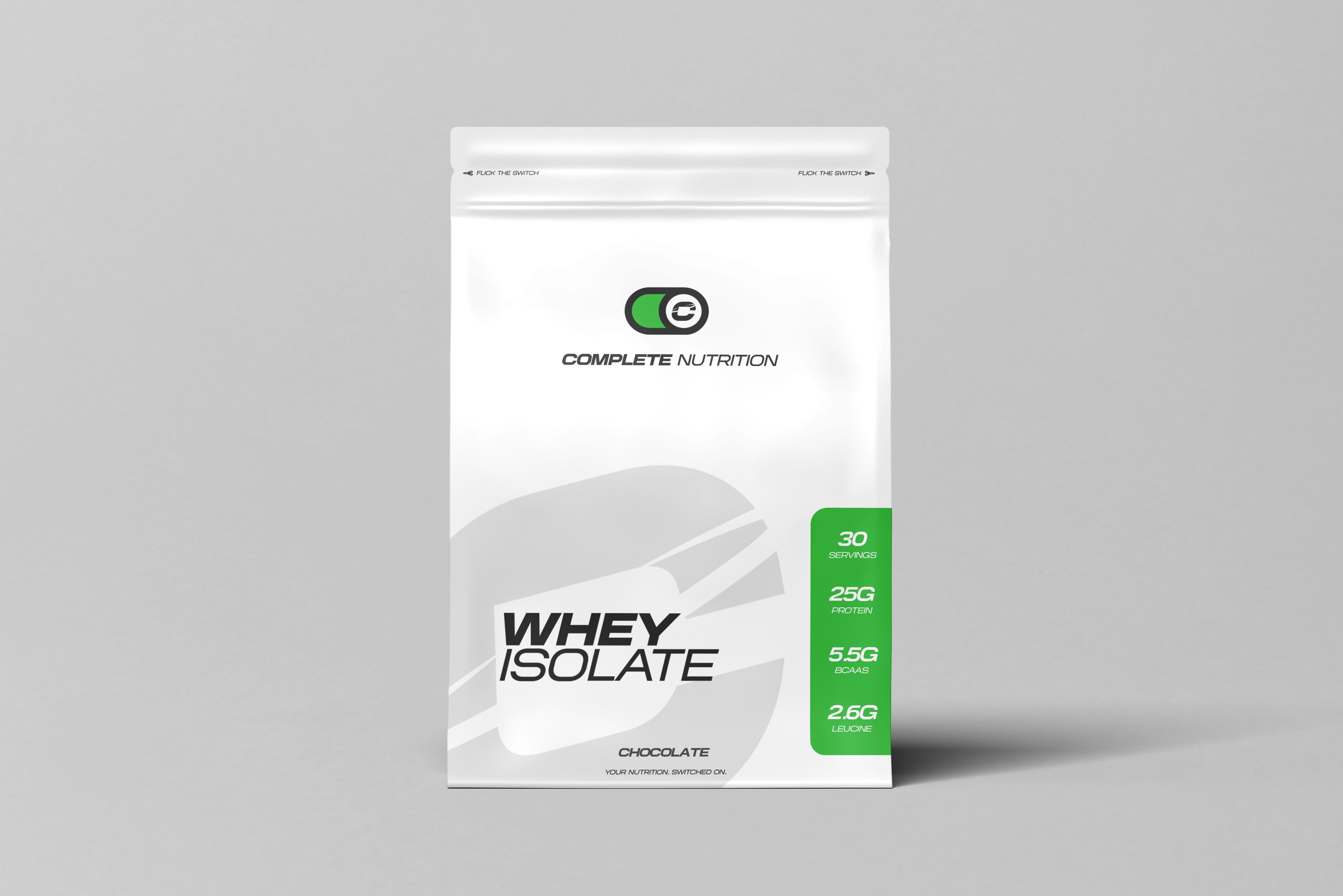
Protein powder provides convenient way to meet daily protein targets. Whole food protein from chicken, fish, eggs and beans works equally well nutritionally but takes more preparation. Adults struggling to meet 1.6 to 2.2 grams per kg bodyweight protein daily benefit from supplementation. Otherwise it's just expensive flavoured milk.
Creatine for performance
Creatine monohydrate at 5 grams daily has substantial evidence for strength and performance gains. Effects accumulate over 4 to 8 weeks of consistent use. The cheap supplement (around 20 to 30 pounds for several months) is one of the few supplements with reliable performance benefits. Worth considering for most gym-goers.
Caffeine for energy
Caffeine (200 to 400 mg) before training improves performance, focus and perceived exertion. Coffee provides this cheaply. Pre-workout supplements containing caffeine offer little beyond coffee for substantially more cost. Adults already coffee drinkers may not need additional caffeine sources.
Most other supplements overhyped
BCAAs, glutamine, HMB, testosterone boosters, fat burners, electrolyte powders and most pre-workout formulas provide minimal benefits beyond placebo effects. The marketing exceeds evidence substantially. Adults wanting better results should optimise fundamentals before spending on novelty supplements.
Multivitamins help restricted diets
Adults with restricted diets (vegetarian, vegan, allergies, eating disorders, low calorie intake) may benefit from basic multivitamins for general health support. Adults eating varied diets typically meet vitamin needs from food. The targeted use makes sense rather than blanket multivitamin recommendation.
Practical supplement guidance
Adults wanting sensible supplement use can focus on evidence-based options rather than marketing hype.
Address fundamentals first
Adequate sleep, balanced nutrition, consistent training and stress management produce far larger effects than any supplement. Adults not addressing these fundamentals see minimal benefit from supplementation. Spend money and effort on fundamentals before supplements.
Consider protein powder if struggling with intake
Whey or plant protein powder 1 to 2 servings daily helps meet protein targets when food intake is inadequate. Adults eating 1.6 to 2.2 grams protein per kg bodyweight from food don't need supplementation. Use protein powder for convenience rather than necessity.
Try creatine monohydrate at 5g daily
Affordable supplement with reliable performance benefits. 5 grams daily, can be taken any time, no need for loading phases or cycling. Most adults benefit from creatine if training for strength or muscle gain. Cheap and worth the investment.
Use caffeine pre-workout if you tolerate it
200 to 400 mg caffeine 30 to 60 minutes before training improves performance. Coffee works well. Pre-workout supplements offer little extra beyond expensive packaging. Adults sensitive to caffeine or training late evening should skip or reduce.
Skip novelty supplements
BCAAs, glutamine, testosterone boosters, fat burners and most novel supplements provide minimal benefit. Adults spending money on these typically waste it. Save money for quality food, training equipment or programmes. The marketing greatly exceeds evidence.
When to see your GP about training concerns
Most gym supplements are safe but consider professional input if any of the following apply.
- Pre-existing health conditions. Discuss supplements with GP.
- Medications affected by supplements. Pharmacist review.
- Excessive supplement use. May indicate problematic patterns.
- Supplements not from reputable brands. Quality and safety concerns.
- Disordered eating patterns. Professional support important.
Most gym-goers don't need supplements beyond possibly protein powder for convenience, creatine for performance and caffeine for energy. These three have strong evidence. Most other supplements provide minimal benefits beyond placebo. Whole food nutrition meets most needs. Adults wanting better gym results should optimise sleep, nutrition, training and consistency before spending substantial money on supplements. The supplement industry markets aggressively but evidence-based use is much narrower than marketing suggests. Save money for fundamentals.
For more on gym training our Training Hub brings every guide together.
Back to the Training Hub
This article sits inside our complete training knowledge base covering gym fundamentals, running, bodybuilding, hybrid training, HIIT, HYROX, yoga, pilates and the practical guidance behind effective workout planning. Head back to the hub for the full index.
More on training nutrition
Gym supplements connect to related topics. gym nutrition 101 covers meal timing. what does pre-workout do covers pre-workout. And bodybuilding nutrition covers diet.
Share:
Cardio vs Weights: What’s Best for Gym Results?
Gym Nutrition 101: What to Eat Before and After a Workout