
Protein is often praised for its role in muscle repair and recovery, but its impact reaches far beyond the gym. It is deeply involved in the body’s hormonal balance and metabolic function. Every hormone in the body is either made from protein or influenced by it in some way, and understanding how protein affects hormones and metabolism helps explain why it is such an essential part of a balanced diet.
Hormones act as the body’s communication system, sending signals between organs and tissues to regulate everything from appetite to energy levels and sleep. Metabolism refers to the chemical processes that convert food into energy. Together, they determine how efficiently your body functions day to day. Protein plays a vital role in both.
The Relationship Between Protein and Hormones
Many hormones are made from amino acids, the building blocks of protein. When you eat protein, your body breaks it down into these amino acids, which are then used to produce and regulate hormones. For example, insulin, which controls blood sugar levels, is a protein-based hormone. Growth hormone, thyroid hormones, and neurotransmitters such as serotonin and dopamine also rely on amino acids for production.
Without enough protein, the body may struggle to produce these hormones efficiently, leading to imbalances that affect mood, metabolism, and energy. This is why consistent protein intake is not only important for physical recovery but also for hormonal stability.
Protein’s Role in Appetite and Satiety Hormones
One of the most well-known effects of protein is its ability to regulate hunger. It does this by influencing several key hormones that control appetite. Ghrelin, known as the hunger hormone, signals the brain when it is time to eat. High-protein meals have been shown to reduce ghrelin levels, meaning you feel fuller for longer.
At the same time, protein increases the production of peptide YY and GLP-1, hormones that promote satiety and help reduce calorie intake naturally. This combination explains why diets higher in protein often lead to reduced hunger and support weight management more effectively than low-protein diets.
For example, having eggs or Greek yoghurt for breakfast instead of toast can keep you satisfied until lunch. The slower digestion and sustained release of amino acids help stabilise blood sugar levels and prevent sudden energy dips that trigger cravings.
Protein and Insulin Regulation
Insulin plays a central role in metabolism by helping cells absorb glucose for energy. While carbohydrates have the most direct effect on insulin levels, protein also influences insulin response. Consuming protein with meals helps moderate blood sugar spikes, providing a slower and steadier release of energy.
In people with insulin resistance or type 2 diabetes, moderate protein intake can support better blood sugar control by reducing the need for large insulin surges. However, extremely high protein intake combined with very low carbohydrates may sometimes raise blood sugar slightly due to a process called gluconeogenesis, where the body converts amino acids into glucose.
The key is balance. Pairing protein with fibre-rich carbohydrates, such as vegetables or whole grains, supports healthy insulin function while maintaining stable energy throughout the day.
Protein and Stress Hormones
Cortisol, the primary stress hormone, helps the body respond to physical and emotional pressure. Short-term increases in cortisol are normal and beneficial, but chronically high levels can lead to muscle breakdown, fatigue, and weight gain.
Protein helps moderate cortisol’s impact by supporting the production of hormones and neurotransmitters that calm the nervous system. Amino acids like tryptophan and tyrosine contribute to serotonin and dopamine production, which improve mood and resilience to stress.
A balanced intake of protein throughout the day can help stabilise blood sugar levels, reducing the energy crashes that make stress harder to manage. In this way, protein indirectly helps control cortisol by preventing spikes and dips in energy that often lead to irritability or fatigue.
Want to explore more about protein powder?
Head to our [Protein Powder Guidance Hub], where we answer the most common questions about how it works, how to take it, and what to expect.
Protein and Thyroid Function
The thyroid gland is one of the most important regulators of metabolism. It produces hormones such as thyroxine (T4) and triiodothyronine (T3), which control how quickly the body converts food into energy. Adequate protein intake supports healthy thyroid function because several amino acids are needed for hormone synthesis, including tyrosine.
Tyrosine, found in protein-rich foods like chicken, fish, eggs, and dairy, is used to produce both thyroid hormones and neurotransmitters like dopamine. If your diet lacks sufficient protein, thyroid function can slow down, leading to fatigue, weight changes, and a sluggish metabolism.
In addition to protein, the thyroid relies on minerals such as iodine, selenium, and zinc, which are also found in many protein-rich foods. This makes protein sources like seafood, eggs, and nuts especially beneficial for thyroid health.
How Protein Influences Metabolism
Protein affects metabolism in several ways, one of the most significant being the thermic effect of food (TEF). TEF refers to the amount of energy your body uses to digest, absorb, and process nutrients. Protein has the highest thermic effect compared to fats and carbohydrates, meaning it takes more calories to break down and use.
Around 20 to 30 per cent of the calories in protein are burned during digestion, compared to just 5 to 10 per cent for carbohydrates and 0 to 3 per cent for fats. This means that increasing your protein intake can slightly raise your overall energy expenditure, supporting healthy weight management.
A higher protein intake also helps preserve lean muscle mass, which is metabolically active tissue. Muscle burns more calories at rest than fat, so maintaining muscle through adequate protein and regular exercise keeps your metabolism strong.
Protein and Female Hormones
Protein plays an important role in maintaining hormonal balance in women, particularly oestrogen and progesterone. These hormones fluctuate naturally throughout the menstrual cycle, pregnancy, and menopause, and a protein-rich diet helps support their regulation.
Adequate protein intake helps stabilise blood sugar, which can reduce hormonal symptoms such as mood swings and fatigue. It also supports liver function, which is crucial for metabolising excess hormones. For women approaching menopause, protein helps preserve muscle and bone strength, counteracting the effects of declining oestrogen.
Including both plant and animal proteins ensures a wide range of amino acids that support not only hormonal balance but also overall health, from hair and skin quality to mood stability.
Protein and Sleep Hormones
Sleep quality is closely linked to protein intake. Certain amino acids, particularly tryptophan, are precursors to serotonin and melatonin, hormones that regulate sleep and relaxation. Consuming protein-rich foods in the evening can support better sleep by promoting calmness and helping your body transition smoothly into rest.
However, eating a large, heavy, or high-protein meal right before bed can make digestion uncomfortable. The best approach is to include moderate amounts of protein throughout the day and a balanced meal in the evening to support steady hormone production and restful sleep.
Protein, Ageing, and Hormonal Health
As we age, both hormonal activity and metabolism naturally slow down. Muscle mass tends to decrease, and hormonal shifts such as lower growth hormone and oestrogen levels can alter body composition. Protein helps counteract these effects by stimulating muscle repair and supporting hormone production.
Older adults may benefit from slightly higher protein intakes, around 1 to 1.2 grams per kilogram of body weight per day, to maintain strength, metabolism, and hormonal balance. Combined with resistance exercise, this can significantly improve vitality and independence.
The Balance Between Protein and Other Nutrients
While protein is crucial for hormonal and metabolic health, it does not work in isolation. Fats are necessary for the production of steroid hormones like oestrogen and testosterone, while carbohydrates influence insulin and thyroid function.
A balanced diet containing all three macronutrients ensures that your hormones and metabolism work harmoniously. Too much protein at the expense of other nutrients can cause imbalances, just as too little protein can disrupt normal function.
The goal is variety. Combining protein with healthy fats, fibre, and complex carbohydrates helps maintain stable energy levels and supports the body’s natural rhythms.
Signs You May Need More Protein
If your protein intake is too low, you may notice symptoms such as fatigue, poor recovery after exercise, thinning hair, brittle nails, or frequent hunger. Hormonal imbalances may also appear as irregular periods, low mood, or reduced libido.
Increasing your protein intake through lean meats, fish, eggs, dairy, legumes, or high-quality protein powders can help restore balance and improve these symptoms over time.
Conclusion
Protein does far more than build muscle. It acts as a foundation for hormonal health and metabolism, influencing everything from appetite control and blood sugar to stress response and energy production. By ensuring a steady intake of quality protein throughout the day, you support balanced hormones, steady energy, and long-term wellbeing.
Your body thrives on balance, and protein is one of the most powerful tools for maintaining it. Combined with a nutrient-rich diet and active lifestyle, it helps you feel stronger, more focused, and more in tune with your natural rhythm.
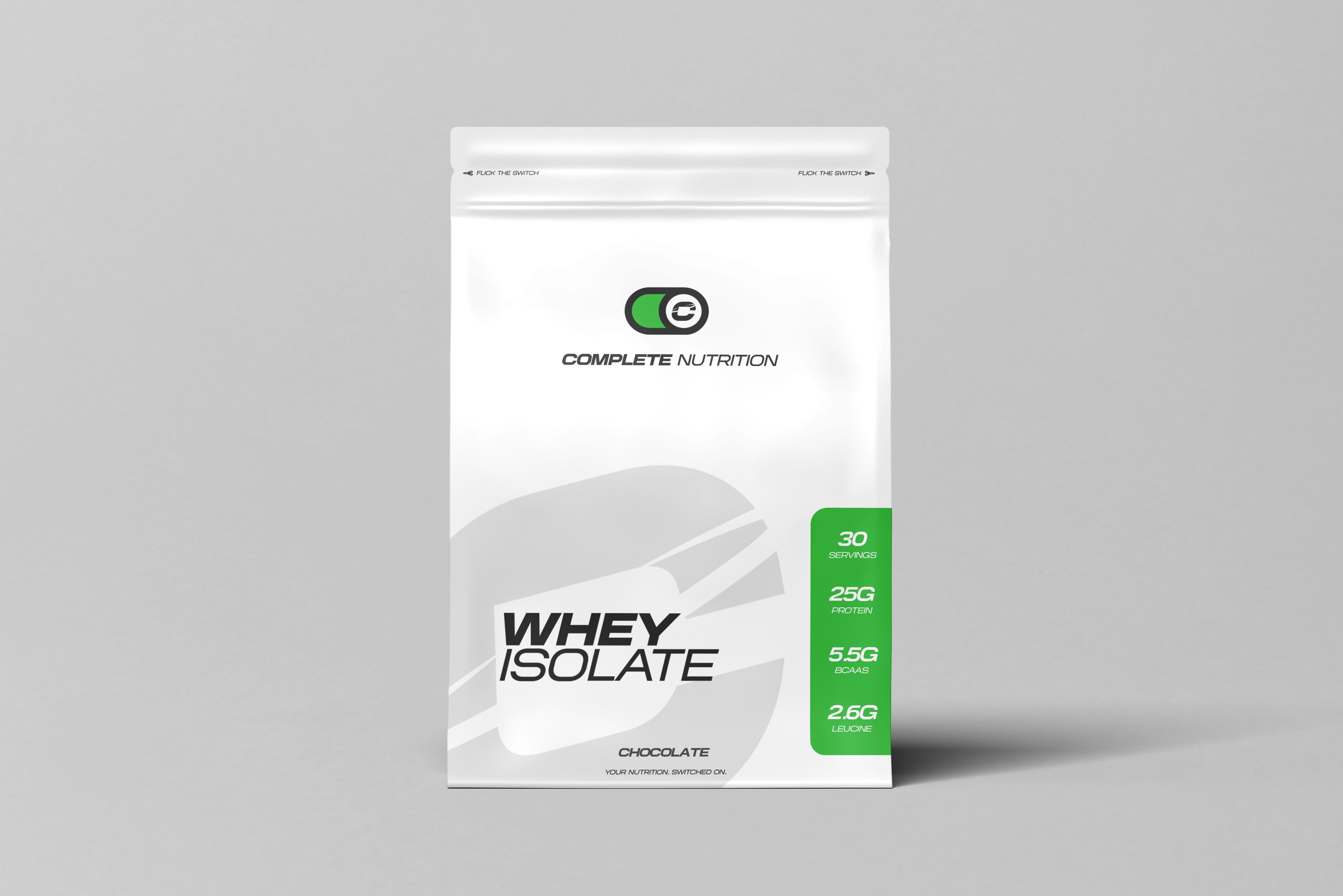
For an easy and effective way to maintain steady protein intake and support healthy metabolism, try our Protein Powder, formulated to deliver high-quality nutrition that works harmoniously with your body’s natural balance.
Share:
How Much Protein Do You Really Need Each Day?
Protein Timing: Does It Matter When You Eat Protein?